
W szybko zmieniającym się krajobrazie direct-to-consumer (DTC) dokapitalizowanie może być potężnym narzędziem do zmiany struktur kapitałowych i napędzania wzrostu. Dokapitalizowanie o wartości 90 milionów dolarów niedawno przekształciło markę DTC, którą nazwiemy „TrendVibe”, umożliwiając jej optymalizację operacji, ekspansję na skalę globalną i ulepszenie platformy cyfrowej. Ta strategiczna restrukturyzacja finansowa nie tylko wzmocniła bilans TrendVibe, ale także uplasowała ją jako lidera w sektorze DTC. Ten artykuł analizuje mechanikę dokapitalizowania, jego wpływ na TrendVibe i wnioski dla marek DTC, które chcą prosperować na konkurencyjnym rynku.
Mechanika dokapitalizowania w DTC
Dokapitalizowanie obejmuje restrukturyzację długu i kapitału własnego firmy w celu poprawy stabilności finansowej lub finansowania wzrostu. W przypadku marek DTC, które często borykają się z wysokimi kosztami pozyskiwania klientów i wymaganiami dotyczącymi zapasów, dokapitalizowanie zapewnia płynność finansową bez oddawania znacznej kontroli. Może to obejmować emisję nowego długu, odkup kapitału własnego lub zamianę długu na kapitał, dostosowane do potrzeb firmy.
Dokapitalizowanie TrendVibe o wartości 90 milionów dolarów było prowadzone przez firmę private equity „GrowEasy Capital”, która specjalizowała się w markach konsumenckich. Transakcja wykorzystała roczne przychody TrendVibe w wysokości 70 milionów dolarów i 30% wzrost rok do roku. Restrukturyzując swój kapitał, TrendVibe zredukowała obciążenia finansowe i odblokowała środki na strategiczne inicjatywy, demonstrując transformacyjny potencjał dokapitalizowania.
Transakcja dokapitalizowania TrendVibe o wartości 90 milionów dolarów
TrendVibe, marka DTC oferująca zrównoważoną modę i artykuły gospodarstwa domowego, przeprowadziła dokapitalizowanie o wartości 90 milionów dolarów w celu rozwiązania problemów operacyjnych i wykorzystania szans na rozwój. Mając lojalną bazę 500 000 klientów i silną obecność w mediach społecznościowych, marka borykała się z rosnącymi kosztami logistyki i potrzebowała kapitału na ekspansję międzynarodową. Dokapitalizowanie w 2024 roku, zorganizowane przez GrowEasy Capital, zapewniło rozwiązanie, wzmacniając fundament finansowy TrendVibe.
Struktura dokapitalizowania
Transakcja o wartości 90 milionów dolarów połączyła 60 milionów dolarów w nowym długu od syndykatu pożyczkodawców, w tym Goldman Sachs, i 30 milionów dolarów w kapitale własnym od GrowEasy Capital. Fundusze zostały wykorzystane na odkup 20% istniejących akcji od wczesnych inwestorów, zmniejszając nadwyżkę kapitału własnego i refinansowanie długu o wysokim oprocentowaniu. Wycena TrendVibe osiągnęła 450 milionów dolarów, napędzana wskaźnikiem LTV-to-CAC 3:1 i 85% utrzymaniem klientów. Struktura zachowała kontrolę założycielską, pozwalając kierownictwu TrendVibe na realizację swojej wizji.
Strategiczne wykorzystanie funduszy
TrendVibe przeznaczyła fundusze na trzy kluczowe obszary. Po pierwsze, 40 milionów dolarów zoptymalizowało łańcuch dostaw, automatyzując logistykę w celu obniżenia kosztów o 15%. Po drugie, 30 milionów dolarów zasiliło ekspansję do Europy i Azji, celując w rynki o wysokim popycie DTC. Wreszcie, 20 milionów dolarów ulepszyło platformę e-commerce, integrując personalizację opartą na sztucznej inteligencji, aby zwiększyć konwersje o 20%. Celem tych inicjatyw było zwiększenie przychodów do 100 milionów dolarów w ciągu 18 miesięcy.
Dlaczego dokapitalizowanie pasuje do marek DTC
Marki DTC, ze swoimi bezpośrednimi relacjami z klientami i modelami opartymi na danych, dobrze nadają się do dokapitalizowania. Zbadajmy, dlaczego ta strategia finansowa rezonuje w tym sektorze.
Rozwiązanie problemu kapitałochłonności
Marki DTC ponoszą wysokie koszty początkowe na marketing i zapasy. Dokapitalizowanie TrendVibe zapewniło płynność finansową do zarządzania tymi wydatkami bez rozwadniania własności. Refinansując dług, marka zmniejszyła płatności odsetkowe, uwalniając gotówkę na wzrost.
Umożliwienie globalnej ekspansji
Entering new markets requires significant investment in localization and logistics. TrendVibe’s $30 million allocation for Europe and Asia tapped into a $500 billion DTC market. Recapitalization allows brands to scale globally while maintaining financial flexibility.
Enhancing Digital Capabilities
DTC success hinges on seamless e-commerce experiences. TrendVibe’s AI platform upgrades, funded by the recapitalization, improved customer engagement. This focus on technology aligns with DTC’s need for data-driven innovation, making recap. a strategic fit.
How the Recapitalization Transformed TrendVibe
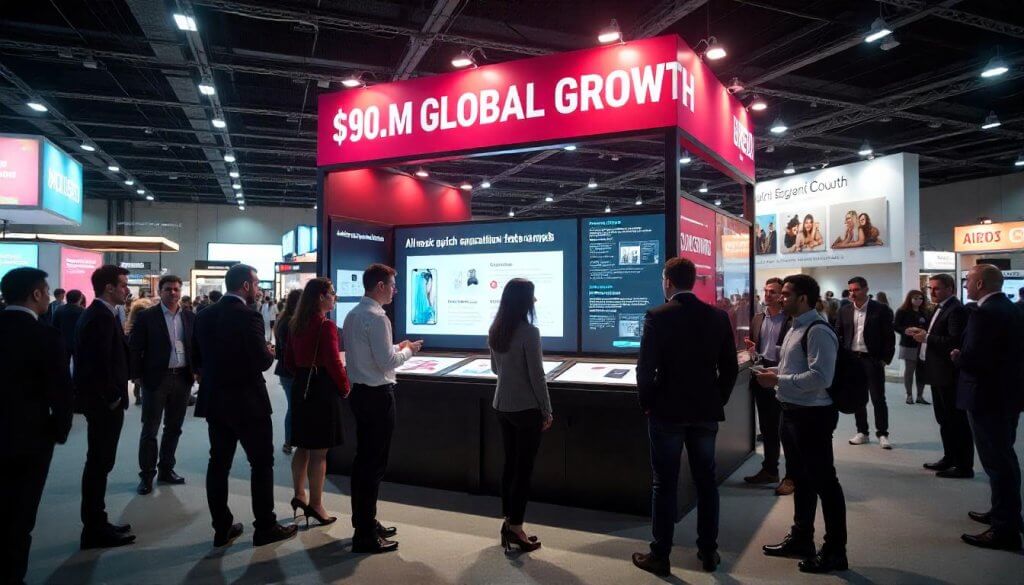
The $90 million recapitalization reshaped TrendVibe’s operations and market position, delivering measurable outcomes.
Optimizing Supply Chain Efficiency
The $40 million supply chain investment automated warehousing and shipping, reducing delivery times by 25%. This efficiency attracted larger retailers, increasing order volume by 30%. By streamlining operations, TrendVibe strengthened its competitive edge in the DTC space.
Accelerating Global Market Entry
Expansion into Europe and Asia diversified TrendVibe’s revenue, with international sales accounting for 20% of revenue within six months. The brand localized its platform, integrating payment systems like Klarna, which boosted conversions. This global push positioned TrendVibe as a leading DTC player.
Enhancing Customer Experience
The $20 million e-commerce investment introduced AI personalization, recommending products based on user behavior. This drove a 20% increase in average order value, attracting premium customers. Consequently, TrendVibe’s customer base grew to 750,000, solidifying its market presence.
Market Impact of the $90 Million Recapitalization
TrendVibe’s recapitalization influenced the DTC ecosystem, shaping trends and competition.
Normalizing Financial Restructuring
The deal highlighted recapitalization as a viable strategy for DTC brands. In 2024, DTC firms secured $1.5 billion in recapitalization deals, up 10% from 2023. Brands like Glossier ($100 million recap.) followed suit, using restructuring to fuel growth without equity dilution.
Attracting Specialized Investors
TrendVibe’s success drew private equity and debt providers to the DTC sector. Firms like TPG Capital launched $300 million funds targeting consumer brands, citing TrendVibe’s 50% valuation increase. This capital influx is empowering mid-sized DTC firms to compete with giants like Warby Parker.
Driving Digital Innovation
The AI-driven platform upgrades set a benchmark for DTC e-commerce. Competitors like Allbirds invested in similar technologies, raising industry standards. This innovation wave is enhancing customer experiences, with DTC brands projected to capture 20% of e-commerce sales by 2028.
Lessons for DTC Brands Seeking Recapitalization
TrendVibe’s recapitalization offers practical insights for DTC brands pursuing similar strategies.
Optimize Financial Metrics
Investors valued TrendVibe’s 3:1 LTV-to-CAC ratio and high retention. DTC brands should maintain metrics like a CAC payback period under 12 months to attract recapitalization capital and secure favorable terms.
Align with Market Trends
TrendVibe’s focus on sustainability and global markets tapped into consumer demand. Brands must align with trends like eco-conscious products or mobile commerce to maximize investor appeal and market impact.
Streamline Operations
The supply chain automation reduced costs, strengthening TrendVibe’s financing case. DTC brands should optimize operations, such as logistics or inventory management, to demonstrate efficiency to investors.
Negotiate Flexible Terms
The mix of debt and equity preserved TrendVibe’s autonomy. Brands should seek recapitalization terms that balance liquidity with control, ensuring flexibility to pursue long-term goals.
Leverage Data-Driven Insights
TrendVibe’s customer data, integrated with Shopify, built investor trust. DTC brands must invest in analytics to provide clear financial insights, expediting recapitalization approvals.
Challenges of Recapitalization
Recapitalization carries risks. New debt, like TrendVibe’s $60 million, can strain cash flow if growth slows. High valuations, at $450 million, create pressure to sustain performance, risking strategic missteps. Additionally, share repurchasing may reduce investor confidence if not paired with growth plans. DTC brands must navigate these challenges to ensure recap. success.
The Future of Recapitalization in DTC
TrendVibe’s $90 million deal underscores recapitalization’s role in DTC. With global e-commerce projected to reach $8 trillion by 2028, DTC brands need agile capital to compete. Trends like AI-driven personalization and sustainable supply chains will attract more recapitalization deals, while fintech integrations will streamline financing. As recapitalization becomes mainstream, it will drive innovation and growth in the DTC sector.
Conclusion
The $90 million recapitalization transformed TrendVibe, enabling global expansion, operational efficiency, and digital innovation. By leveraging strong metrics, data-driven insights, and flexible financing, TrendVibe set a benchmark for DTC brands. Its success offers a roadmap, emphasizing alignment, efficiency, and scalability. As recap. reshapes the DTC landscape, deals like this will propel brands to new heights in the consumer market.