

في المشهد المتطور باستمرار للتسويق المباشر للمستهلك (DTC)، يمكن إعادة الرسملة أن تكون أداة قوية لإعادة تنظيم هياكل رأس المال ودعم النمو. قامت عملية إعادة رسملة بقيمة 90 مليون دولار مؤخرًا بتحويل علامة تجارية للمستهلك المباشر سنسميها "TrendVibe"، مما مكنها من تحسين العمليات والتوسع عالميًا وتعزيز منصتها الرقمية. هذا الهيكلة المالية الاستراتيجية لم يعزز فقط الميزانية العمومية لـ TrendVibe بل وضعها أيضًا كشركة رائدة في قطاع المستهلك المباشر. تستكشف هذه المقالة آليات إعادة الرسملة، وتأثيرها على TrendVibe، والدروس المستفادة للعلامات التجارية للمستهلك المباشر التي تهدف إلى الازدهار في سوق تنافسي.
آليات إعادة الرسملة في قطاع المستهلك المباشر
تتضمن إعادة الرسملة إعادة هيكلة ديون الشركة وحقوق ملكيتها لتحسين الاستقرار المالي أو تمويل النمو. بالنسبة لعلامات المستهلك المباشر، التي غالبًا ما تواجه تكاليف اكتساب عملاء مرتفعة ومتطلبات مخزون، توفر إعادة الرسملة السيولة دون التنازل عن السيطرة الكبيرة. يمكن أن يشمل ذلك إصدار ديون جديدة، أو إعادة شراء الأسهم، أو مبادلة الديون بالأسهم، بما يتناسب مع احتياجات الشركة.
قادت شركة أسهم خاصة، "GrowEasy Capital"، والتي تتخصص في علامات المستهلكين، عملية إعادة الرسملة لـ TrendVibe بقيمة 90 مليون دولار. استندت الصفقة إلى إيرادات TrendVibe السنوية البالغة 70 مليون دولار ونموها بنسبة 30% على أساس سنوي. من خلال إعادة هيكلة رأس مالها، قللت TrendVibe من الضغط المالي وأفرجت عن أموال للمبادرات الاستراتيجية، مما يوضح الإمكانات الكبيرة لإعادة الرسملة.
صفقة إعادة رسملة TrendVibe بقيمة 90 مليون دولار
أجرت TrendVibe، وهي علامة تجارية للمستهلك المباشر تقدم أزياء سلع منزلية مستدامة، عملية إعادة الرسملة بقيمة 90 مليون دولار لمعالجة التحديات التشغيلية واغتنام فرص النمو. مع قاعدة عملاء مخلصين تبلغ 500,000 ومتابعة قوية على وسائل التواصل الاجتماعي، واجهت العلامة التجارية تكاليف لوجستية متزايدة واحتاجت إلى رأس مال للتوسع الدولي. وفرت إعادة الرسملة لعام 2024، التي نسقتها GrowEasy Capital، حلاً، مما عزز الأساس المالي لـ TrendVibe.
هيكلة إعادة الرسملة
جمعت صفقة بقيمة 90 مليون دولار 60 مليون دولار من ديون جديدة من نقابة من المقرضين، بما في ذلك Goldman Sachs، و 30 مليون دولار من الأسهم من GrowEasy Capital. تم استخدام الأموال لإعادة شراء 20% من الأسهم القائمة من المستثمرين الأوائل، مما قلل من تراكم الأسهم، وإعادة تمويل الديون ذات الفائدة المرتفعة. وصلت قيمة TrendVibe إلى 450 مليون دولار، مدفوعة بنسبة 3:1 من القيمة الدائمة للعميل إلى تكلفة اكتساب العميل ونسبة استبقاء العملاء البالغة 85%. حافظ الهيكل على سيطرة المؤسسين، مما سمح لقيادة TrendVibe بمتابعة رؤيتها.
الاستخدام الاستراتيجي للأموال
خصصت TrendVibe الأموال لثلاثة مجالات رئيسية. أولاً، 40 مليون دولار لتحسين سلسلة التوريد الخاصة بها، وأتمتة الخدمات اللوجستية لخفض التكاليف بنسبة 15%. ثانيًا، 30 مليون دولار لدعم التوسع في أوروبا وآسيا، واستهداف الأسواق ذات الطلب المرتفع للمستهلك المباشر. أخيرًا، 20 مليون دولار لتعزيز منصتها للتجارة الإلكترونية، ودمج تخصيص مدعوم بالذكاء الاصطناعي لزيادة المبيعات بنسبة 20%. هدفت هذه المبادرات إلى زيادة الإيرادات إلى 100 مليون دولار في غضون 18 شهرًا.
لماذا إعادة الرسملة مناسبة لعلامات المستهلك المباشر
تعتبر علامات المستهلك المباشر، بعلاقاتها المباشرة مع العملاء ونماذجها القائمة على البيانات، مناسبة تمامًا لإعادة الرسملة. دعنا نستكشف لماذا يتردد هذا الاستراتيجية المالية في هذا القطاع.
معالجة كثافة رأس المال
تواجه علامات المستهلك المباشر تكاليف أولية مرتفعة لـ التسويق والمخزون. وفرت إعادة رسملة TrendVibe السيولة لإدارة هذه النفقات دون تخفيف الملكية. من خلال إعادة تمويل الديون، قللت العلامة التجارية من مدفوعات الفائدة، مما أتاح النقد للنمو.
تمكين التوسع العالمي
يتطلب الدخول إلى أسواق جديدة استثمارًا كبيرًا في التوطين والخدمات اللوجستية. عزز تخصيص 30 مليون دولار الخاص بـ TrendVibe لأوروبا وآسيا سوق المستهلك المباشر الذي تبلغ قيمته 500 مليار دولار. تسمح إعادة الرسملة للعلامات التجارية بالتوسع عالميًا مع الحفاظ على المرونة المالية.
تعزيز القدرات الرقمية
يعتمد نجاح المستهلك المباشر على تجارب تجارة إلكترونية سلسة. حسنت ترقيات منصة الذكاء الاصطناعي الخاصة بـ TrendVibe، الممولة من إعادة الرسملة، تفاعل العملاء. يتماشى هذا التركيز على التكنولوجيا مع حاجة المستهلك المباشر إلى الابتكار القائم على البيانات، مما يجعل إعادة الرسملة مناسبة استراتيجية.
كيف غيرت إعادة الرسملة TrendVibe
أعادت عملية إعادة الرسملة بقيمة 90 مليون دولار تشكيل عمليات TrendVibe وموقعها في السوق، محققة نتائج قابلة للقياس.
تحسين كفاءة سلسلة التوريد
أتمت استثمارات سلسلة التوريد البالغة 40 مليون دولار عمليات التخزين والشحن، مما قلل أوقات التسليم بنسبة 25%. اجتذبت هذه الكفاءة تجار التجزئة الأكبر حجمًا، مما زاد حجم الطلبات بنسبة 30%. من خلال تبسيط العمليات، عززت TrendVibe ميزتها التنافسية في مساحة المستهلك المباشر.
تسريع دخول السوق العالمية
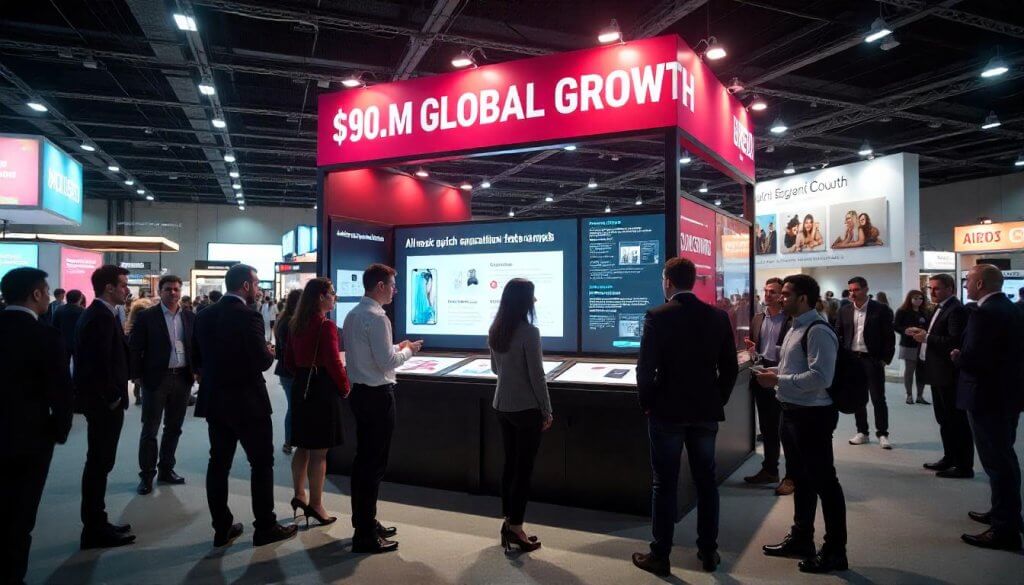
نَوَّع التوسع في أوروبا وآسيا عائدات TrendVibe، حيث شكلت المبيعات الدولية 20% من الإيرادات في غضون ستة أشهر. قامت العلامة التجارية بتوطين منصتها، ودمجت أنظمة دفع مثل Klarna، مما أدى إلى زيادة المبيعات. دفعت هذه الدفعة العالمية TrendVibe لتصبح لاعبًا رائدًا في مجال المستهلك المباشر.
تعزيز تجربة العملاء
أدخل الاستثمار البالغ 20 مليون دولار في التجارة الإلكترونية تخصيصًا بالذكاء الاصطناعي، حيث أوصت بالمنتجات بناءً على سلوك المستخدم. أدى ذلك إلى زيادة بنسبة 20% في متوسط قيمة الطلب، وجذب عملاء متميزين. نتيجة لذلك، نمت قاعدة عملاء TrendVibe إلى 750,000، مما عزز وجودها في السوق.
تأثير إعادة الرسملة بقيمة 90 مليون دولار على السوق
أثرت إعادة رسملة TrendVibe على النظام البيئي للمستهلك المباشر، وشكلت الاتجاهات والمنافسة.
تطبيع الهيكلة المالية
أبرزت الصفقة إعادة الرسملة كاستراتيجية قابلة للتطبيق لعلامات المستهلك المباشر. في عام 2024، حصلت شركات المستهلك المباشر على 1.5 مليار دولار في صفقات إعادة الرسملة، بزيادة 10% عن عام 2023. اتبعت علامات تجارية مثل Glossier (إعادة رسملة بقيمة 100 مليون دولار) حذوها، مستخدمة الهيكلة لدعم النمو دون تخفيف الأسهم.
جذب المستثمرين المتخصصين
جلبت نجاح TrendVibe شركات الأسهم الخاصة ومقدمي الديون إلى قطاع المستهلك المباشر. أطلقت شركات مثل TPG Capital صناديق بقيمة 300 مليون دولار تستهدف علامات المستهلكين، مشيرة إلى زيادة قيمة TrendVibe بنسبة 50%. يُمكّن تدفق رأس المال هذا شركات المستهلك المباشر متوسطة الحجم من التنافس مع عمالقة مثل Warby Parker.
قيادة الابتكار الرقمي
وضعت ترقيات منصة التجارة الإلكترونية المدعومة بالذكاء الاصطناعي معيارًا لتجارة المستهلك المباشر الإلكترونية. استثمر المنافسون مثل Allbirds في تقنيات مماثلة، مما رفع معايير الصناعة. هذه الموجة من الابتكار تعزز تجارب العملاء، ومن المتوقع أن تهيمن علامات المستهلك المباشر على 20% من مبيعات التجارة الإلكترونية بحلول عام 2028.
دروس لعلامات المستهلك المباشر التي تسعى لإعادة الرسملة
تقدم إعادة رسملة TrendVibe رؤى عملية لعلامات المستهلك المباشر التي تسعى إلى استراتيجيات مماثلة.
تحسين المقاييس المالية
قَيَّم المستثمرون نسبة 3:1 من القيمة الدائمة للعميل إلى تكلفة اكتساب العميل لـ TrendVibe ومعدل الاحتفاظ المرتفع. يجب على علامات المستهلك المباشر الحفاظ على مقاييس مثل فترة استرداد تكلفة اكتساب العميل أقل من 12 شهرًا لجذب رأس مال إعادة الرسملة وتأمين شروط مواتية.
التوافق مع اتجاهات السوق
استفاد تركيز TrendVibe على الاستدامة والأسواق العالمية من طلب المستهلكين. يجب على العلامات التجارية التوافق مع اتجاهات مثل المنتجات الواعية بيئيًا أو التجارة المتنقلة لزيادة جاذبيتها للمستثمرين وتأثيرها في السوق.
تبسيط العمليات
أدت أتمتة سلسلة التوريد إلى خفض التكاليف، مما عزز حالة تمويل TrendVibe. يجب على علامات المستهلك المباشر تحسين العمليات، مثل الخدمات اللوجستية أو إدارة المخزون، لإظهار الكفاءة للمستثمرين.
التفاوض على شروط مرنة
حَفظ مزيج الديون والأسهم استقلالية TrendVibe. يجب على العلامات التجارية السعي وراء شروط إعادة الرسملة التي توازن بين السيولة والسيطرة، مما يضمن المرونة لمتابعة الأهداف طويلة الأجل.
استخدام رؤى قائمة على البيانات
بنت بيانات عملاء TrendVibe، المدمجة مع Shopify، ثقة المستثمرين. يجب على علامات المستهلك المباشر الاستثمار في التحليلات لتقديم رؤى مالية واضحة، مما يسرع الموافقات على إعادة الرسملة.
تحديات إعادة الرسملة
تحمل إعادة الرسملة مخاطر. يمكن أن يؤدي الدين الجديد، مثل 60 مليون دولار لـ TrendVibe، إلى إجهاد التدفق النقدي إذا تباطأ النمو. تخلق التقييمات المرتفعة، عند 450 مليون دولار، ضغطًا للحفاظ على الأداء، مما يخاطر بخطوات خاطئة استراتيجية. بالإضافة إلى ذلك، قد يقلل إعادة شراء الأسهم من ثقة المستثمرين إذا لم يقترن بخطط نمو. يجب على علامات المستهلك المباشر التنقل في هذه التحديات لضمان نجاح إعادة الرسملة.
مستقبل إعادة الرسملة في قطاع المستهلك المباشر
تؤكد صفقة TrendVibe البالغة 90 مليون دولار على دور إعادة الرسملة في قطاع المستهلك المباشر. مع توقع أن تصل التجارة الإلكترونية العالمية إلى 8 تريليون دولار بحلول عام 2028، تحتاج علامات المستهلك المباشر إلى رأس مال رشيق للمنافسة. ستجذب اتجاهات مثل التخصيص المدعوم بالذكاء الاصطناعي وسلاسل التوريد المستدامة المزيد من صفقات إعادة الرسملة، بينما ستعمل عمليات دمج التكنولوجيا المالية على تبسيط التمويل. مع تحول إعادة الرسملة إلى التيار الرئيسي، فإنها ستدفع الابتكار والنمو في قطاع المستهلك المباشر.
الخاتمة
غيرت إعادة الرسملة بقيمة 90 مليون دولار TrendVibe، مما أتاح التوسع العالمي والكفاءة التشغيلية والابتكار الرقمي. من خلال استخدام مقاييس قوية ورؤى قائمة على البيانات وتمويل مرن، وضعت TrendVibe معيارًا لعلامات المستهلك المباشر. يقدم نجاحها خارطة طريق، مع التركيز على التوافق والكفاءة وقابلية التوسع. مع إعادة تشكيل إعادة الرسملة لمشهد المستهلك المباشر، ستدفع صفقات مثل هذه العلامات التجارية إلى آفاق جديدة في سوق المستهلك.