
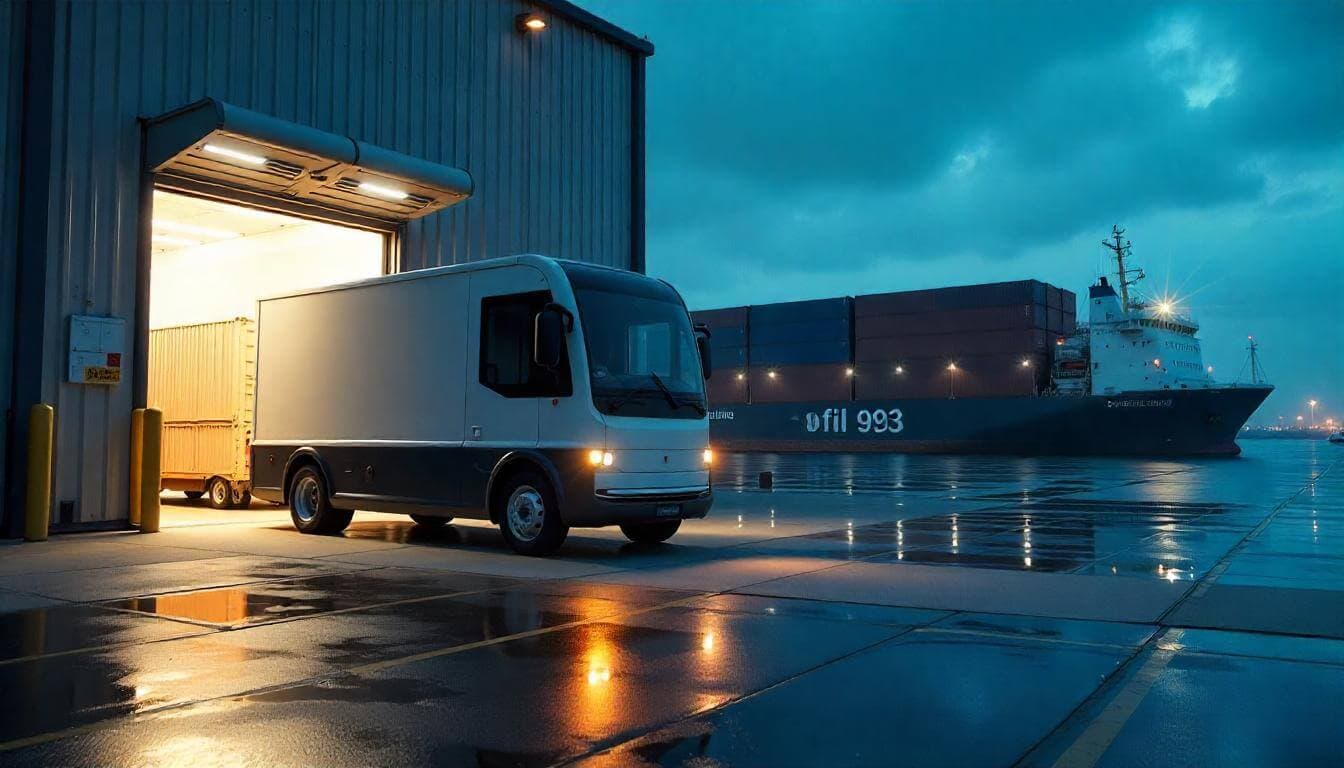
تُعد سلاسل التوريد العالمية بمثابة النظام الدوري المعقد للاقتصاد الحديث. فهي تنقل البضائع من المنتجين إلى المستهلكين عبر القارات. ومع ذلك، فإن هذه الشبكات تتعرض باستمرار لاختبارات بسبب التحولات الجيوسياسية، والتقلبات السريعة في الطلب، والاضطرابات غير المتوقعة. غالبًا ما تكافح أنظمة الخدمات اللوجستية التقليدية للحفاظ على الكفاءة والشفافية في ظل هذا الضغط. يشير استثمار الذكاء الاصطناعي في مجال الخدمات اللوجستية بقيمة 80 مليون دولار أمريكي إلى تحول أساسي في طريقة عمل الصناعة. هذا التمويل الكبير مُهيأ الآن للاستفادة من الذكاء الاصطناعي لتبسيط سلاسل التوريد العالمية، مما يجعلها أسرع وأكثر ذكاءً وأكثر مرونة بشكل ملحوظ. تتناول هذه المقالة معاملة مالية كبيرة (تتجاوز 50 مليون دولار أمريكي) وتأثيرها التحويلي على مستقبل الخدمات اللوجستية.
تحدي الخدمات اللوجستية العالمية: تجاوز التعقيد
إن التحديات التي تواجه سلاسل التوريد العالمية متعددة الأوجه. وتتميز بالتجزئة، حيث توجد البيانات في صوامع معزولة. كما أنها تتميز بالتقلب، حيث يمكن أن تتسبب الأحداث المفاجئة في تأخيرات واختناقات واسعة النطاق. علاوة على ذلك، غالبًا ما يعيق نقص الرؤية في الوقت الفعلي اتخاذ القرارات الاستباقية. تعتمد الشركات على معلومات قديمة. وهذا يؤدي إلى أوجه قصور مكلفة، واختلالات في المخزون، وضياع فترات التسليم.
تفتقر نماذج الخدمات اللوجستية التقليدية، التي تعتمد إلى حد كبير على العمليات اليدوية والبيانات التاريخية، إلى المرونة اللازمة للاستجابة بفعالية لهذه الظروف الديناميكية. ونتيجة لذلك، تتكبد الشركات في كثير من الأحيان خسائر كبيرة بسبب أوجه القصور والاضطرابات غير المتوقعة. من الواضح أن هناك حاجة إلى بذل جهد للتحديث. يتطلب هذا الجهد حلولًا تقنية متقدمة لتحسين العمليات المعقدة.
صعود الذكاء الاصطناعي في مجال الخدمات اللوجستية: حقبة جديدة من الكفاءة
يوفر الذكاء الاصطناعي حلاً فعالاً لهذه التحديات. تقوم خوارزميات الذكاء الاصطناعي والتعلم الآلي بتحليل مجموعات البيانات الضخمة، وتحديد الأنماط والعلاقات المتبادلة التي لا يستطيع المحللون البشريون تحديدها. فهي تمكن من التحول من حل المشكلات التفاعلي إلى التحسين التنبؤي. يتم الآن نشر تقنيات الذكاء الاصطناعي عبر سلسلة التوريد بأكملها. فهي تعزز كل شيء بدءًا من التنبؤ بالطلب وإدارة المخزون ووصولاً إلى أتمتة المستودعات وتخطيط الطرق.
يحول الذكاء الاصطناعي الخدمات اللوجستية من مركز تكلفة ضروري إلى ميزة تنافسية استراتيجية. إنه يحسن الكفاءة التشغيلية. كما أنه يعزز قدرات اتخاذ القرار. تكتسب الشركات التي تدمج الذكاء الاصطناعي رؤية في الوقت الفعلي. يمكنهم الاستجابة على الفور لتغيرات السوق. تتميز هذه الحقبة الجديدة من الخدمات اللوجستية القائمة على الذكاء الاصطناعي بمستويات غير مسبوقة من السرعة والدقة والقدرة على التكيف.
استثمار بقيمة 80 مليون دولار أمريكي: تغذية الابتكار
يستهدف استثمار الذكاء الاصطناعي في مجال الخدمات اللوجستية المحدد هذا الذي تبلغ قيمته 80 مليون دولار أمريكي تحديث عمليات المستودعات وإدارة المخزون. يهدف التمويل، الذي حصلت عليه شركة تكنولوجيا رائدة متخصصة في الأتمتة القائمة على الذكاء الاصطناعي، إلى توسيع نطاق الحلول الرائدة عالميًا. يؤكد هذا الاستثمار على ثقة شركات رأس المال الاستثماري في القوة التحويلية للذكاء الاصطناعي لتحسين التدفق المادي للبضائع.
سيدعم رأس المال بشكل أساسي توسيع نطاق الروبوتات المدعومة بالذكاء الاصطناعي وبرامج إدارة المستودعات. كما سيسرع تطوير أدوات التحليلات التنبؤية المتقدمة. علاوة على ذلك، تخطط الشركة لتعزيز وجودها العالمي. هذا الضخ الكبير لرأس المال هو خطوة حاسمة. فهو يمكّن الشركة من نشر تقنيتها المبتكرة عبر أسواق دولية متنوعة. ويضعهم في مكانة رائدة في المشهد اللوجستي المتطور.
Streamlining Operations: Predictive Analytics and Demand Forecasting
One of the most impactful applications of AI in logistics is predictive analytics. AI algorithms analyze historical sales data, market trends, and external factors like weather conditions or economic indicators. This allows them to forecast demand with remarkable accuracy. Businesses gain deeper insights into future needs. They can therefore optimize inventory levels.
By minimizing forecasting errors, AI reduces both stockouts and overstocking. This leads to substantial cost savings. It also significantly improves customer satisfaction. Furthermore, predictive analytics enables dynamic inventory placement. Products are stocked closer to areas where demand is anticipated. This strategy shortens delivery times and enhances operational efficiency throughout the global supply chain.
The Automated Warehouse: Robotics and Efficiency
The $80 million AI logistics investment is significantly advancing warehouse automation. AI-powered robotics are revolutionizing fulfillment centers. They handle tasks like picking, packing, and sorting with speed and precision far exceeding human capabilities. These systems operate continuously, improving productivity during peak seasons.
AI software coordinates the activities of these robots. It also optimizes warehouse layouts. This maximizes storage density and reduces travel distances for both humans and machines. Furthermore, AI systems monitor equipment health. They predict maintenance needs before failures occur. This proactive approach minimizes downtime. It ensures uninterrupted operations. The automated warehouse represents a major leap forward in operational efficiency. It provides the foundation for streamlined global supply chains.
Optimizing Transportation and Route Planning
AI is fundamentally changing how goods are transported. AI-powered route optimization tools analyze vast amounts of real-time data. This includes traffic congestion, weather patterns, and delivery windows. They calculate the most efficient routes dynamically. This reduces transit times. It also significantly lowers fuel consumption and transportation costs.
Furthermore, AI enhances fleet management. It monitors driver behavior. It also optimizes load capacity. This ensures vehicles are utilized effectively. For instance, AI algorithms can consolidate shipments. They can also optimize delivery schedules. This minimizes empty miles and reduces the environmental impact of logistics operations. The result is a faster, more cost-effective, and sustainable transportation network.
Enhanced Visibility and Risk Mitigation
A lack of visibility is a major vulnerability in global supply chains. AI addresses this by providing end-to-end transparency. AI systems integrate data from sensors, tracking devices, and enterprise resource planning systems. This creates a unified view of the supply chain in real time. Logistics managers can track shipments from origin to destination. They receive instant updates on status and potential delays.
AI also plays a crucial role in risk mitigation. Machine learning models analyze geopolitical events, supplier performance data, and environmental factors. They identify potential disruptions before they occur. This proactive risk assessment allows companies to activate alternative suppliers. They can also reroute shipments or implement contingency plans rapidly. This capability is essential for maintaining operational continuity during crises.
Economic and Operational Benefits
The benefits derived from this AI logistics investment are substantial. Economically, companies experience significant cost reductions through optimized routes, minimized fuel consumption, and reduced inventory holding costs. Operational efficiency improves dramatically. Automation speeds up order fulfillment. It also minimizes errors.
Furthermore, AI enhances the overall customer experience. Faster delivery times and accurate tracking information build customer trust and loyalty. By streamlining global supply chains, AI enables businesses to respond quickly to market demands. This adaptability is critical for maintaining a competitive edge in today's fast-paced environment. The return on investment for AI in logistics is therefore rapid and measurable.
Conclusion: A Strategic Leap Forward
The $80 million AI logistics investment marks a strategic leap forward in modernizing global supply chains. By leveraging artificial intelligence for automation, predictive analytics, and enhanced visibility, this funding is driving unprecedented efficiency and resilience. This investment is not just about adopting new technology; it is about building the infrastructure necessary for a secure and competitive future. It ensures that businesses can navigate the complexities of global logistics with greater confidence. This commitment to AI-driven logistics is vital for powering the global economy and delivering superior performance across industries.