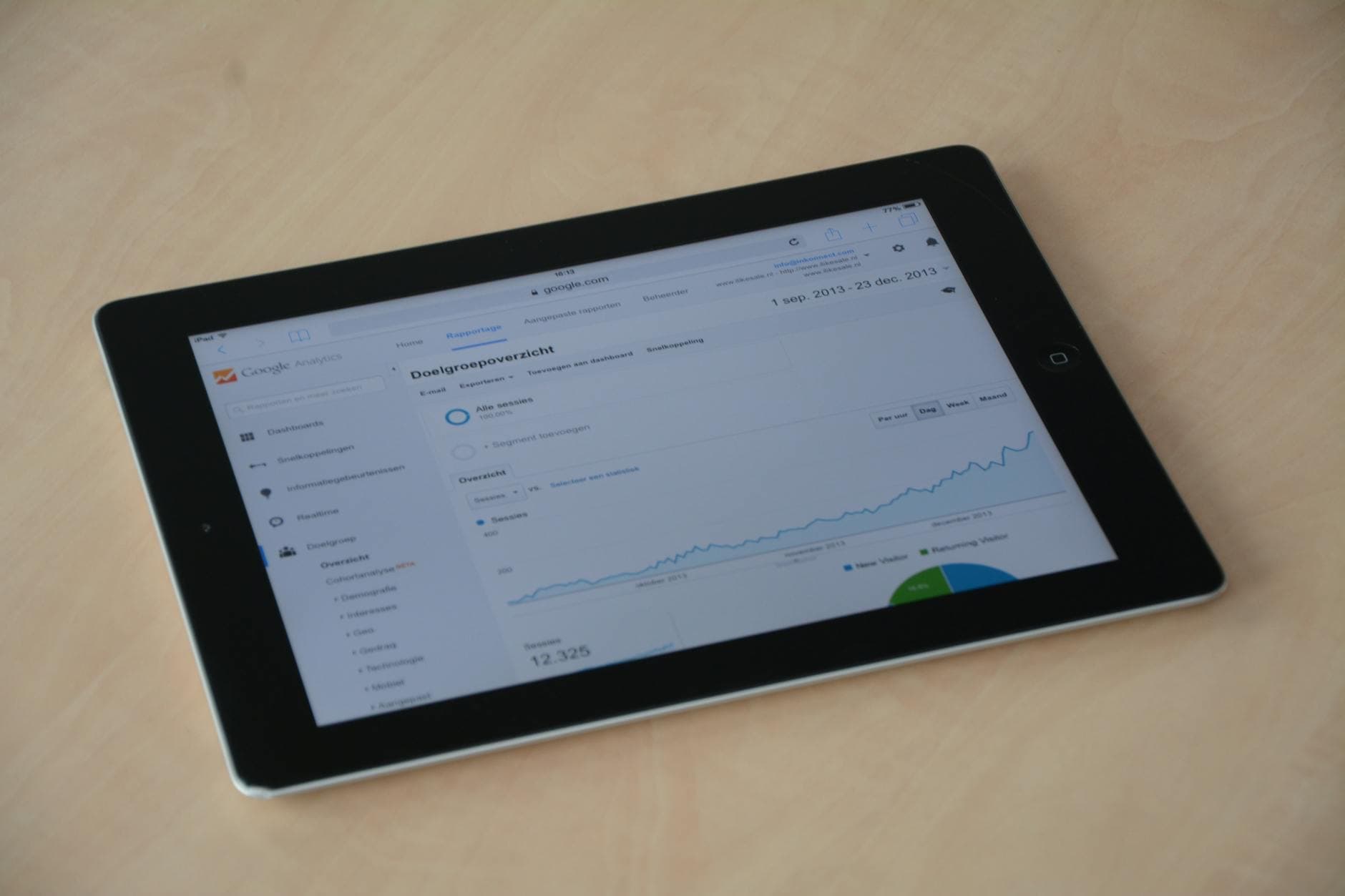
Bugünden itibaren 90 günlük bir sprint seçin ve üç ulaşılabilir hedef tanımlayın. Bunları yazın ve her birini 3-5 somut kilometre taşına eşleyin. İlerlemeyi izlemek için basit bir kod atayın ve kilometre taşlarının sayısını amaçlarınızla uyumlu tutmak için editörlerin konuyu gözden geçirmesini sağlayın. Bu hızlı kurulum, size bir başlangıç noktası ve her hafta neyi başaracağınız konusunda somut bir his verirken, ilerleme duygusu yaratır.
Gerçek ihtiyaçları ortaya çıkarmak için sorular sorun: geçen çeyrekte ne oldu, rutinlerdeki hangi değişiklik işe yaradı ve gelecekteki kendinize başarıyı hayal etmek için ne söylerdiniz? Her adımın amaçlı ve nihai sonuçla bağlantılı hissetmesi için tersine planlama kullanarak son durumu bugüne kadar geriye doğru eşleyin.
İşi bir görev dizisine bölün: üç hedef, 9-15 görev ve üç günlük alışkanlık. Derli toplu bir kontrol paneline derlenen bir kod kullanın; her günün sonunda güncelleyin. Hızı sürdürülebilir tutun ve önemli noktaları izleyin. İstikrarlı bir ivme gördüğünüzde bu yaklaşımın işe yaradığını bilirsiniz. Milyonlarca fikir olsa bile, bu çerçeve sizi üç göstergeye bağlayarak odaklanmanızı sağlar: çıktı, ivme ve öğrenme.
Aşırı yüklenmeyi önlemek için, bugün bir kilometre taşını harekete geçiren tek bir eylemle başlayın. Kendinizi bunalmış hissediyorsanız, öncelikleri tersine çevirin ve önümüzdeki haftanın hedefleri üzerinde en büyük etkiye sahip olan eylemi seçin. Bu, sürtünmeyi azaltır ve günlük ilerlemeyi daha sonra kaydederken hissedebileceğiniz bir ivme duygusunu korur.
OKR'leri uygulamada kullanma: 2021 için adım adım bir çerçeve
Önümüzdeki 12 hafta için beş OKR belirleyin ve bunları ilk üç iş önceliğiyle eşleyin. Her OKR'nin sayısal bir hedefi ve sahibi olan ölçülebilir bir temel sonucu vardır, bu nedenle ilerleme haftalık kontrol panellerinde görülebilir. Kapsamı dar tutun: doğrudan seçilen sonuçları yönlendirmediği sürece ekstra iş yapmayın. Küçük bir planla başlayıp gerekirse daha sonra ayarlamak sorun değil.
Tanım: OKR'ler cesur bir hedefi somut sonuçlarla bağlar. Bir hedef neyi başarmak istediğinizi belirtir; temel sonuçlar ilerlemeyi ölçer. Belirsizliği ortadan kaldırmak ve hesap verebilirlik oluşturmak için sayılar, tarihler ve sahipler kullanın. Net sahiplerin olması yardımcı olur ve ekip ne teslim edeceğini tam olarak bilmelidir.
Başlangıçta, uyumlu OKR'ler belirlemek için ürün, satış ve pazarlamadan girdi toplayın. Bilgileri fikir birliğini hızlandırır; bu girdiyi ortak bir belgede toplayın ve geri bildirim için orijinal taslağı yayınlayın. Bu aşamadan itibaren, başarıyı net, ölçülebilir bir hedef ve bir son tarih ile tanımlayın. Pazarlama ekipleri, mesajlaşmayı ve kampanyaları uyumlu hale getirmek için bilgi (информации) alışverişinde bulunur.
Kapanış ve yönetişim: haftalık 60 dakikalık bir inceleme ve aylık 2 saatlik bir geriye dönük değerlendirme yapın. Her hedefteki ilerlemeyi, temel sonuçlardaki ilerlemeyi ve engelleyicileri gösteren basit bir kontrol paneli kullanın. Bu, işi tutarlı tutar ve gidip gelmelerden kaynaklanan kafa karışıklığını azaltır. Yöneticiler, uyumsuzluğun erken sinyallerine bakmalı ve bunları hızla ele almalıdır. Toplantılar yapmak ivmeyi korur ve kararları ve sahipleri şeffaflık için herkese açık bir kayıt defterine kaydedin.
Girdiler ve öğrenme: pilot uygulama sırasında, yaklaşımı kanıtlamak için tek bir ekip ve iki OKR seçin. Başlangıçta pilot uygulamayı çalıştırın, öğrenmeyi toplayın ve ölçeklendirmeden önce çerçeveyi iyileştirin. Mevcut programlarınız varsa, bunları başlangıçtan itibaren OKR'lerle eşleyin ve boşlukları belirleyin. İyileşen metrikleri göstermek ve en azından her çeyrekte bir izlemek için bir temel kullanın.
Ölçeklendirme yöntemleri: pilot uygulamanın değeri kanıtlandıktan sonra daha fazla ekibe dalgalar halinde yaygınlaştırın. Beş ders kuralını koruyun: en az çeyrekte bir gözden geçirin, gerektiği gibi ayarlayın ve veri çekmelerini otomatikleştirerek gereksiz güncellemeleri unutun. Sadece çıktılara değil, girdilere de dikkat edin; bilgi akışını sürdürün ve erken döngülerde bir miktar farklılığa tolerans gösterin. Sürprizler meydana gelirse dersleri çıkarın ve tekrar hataların önüne geçmek için paylaşın. Geri bildirimlerinden yola çıkarak çerçeveyi uyarlayın ve programı ileriye taşıyın.
Yönü Gösteren Belirli Bir Amaç Tanımlayın
Yönü göstermek için belirli, ölçülebilir ve zamanla sınırlı tek bir amaç seçin. Örnek: Üçüncü çeyreğe kadar üç aylık geliri %12 artırın, aylık 50 yeni ücretli müşteri ve %40 brüt kâr marjı hedefiyle. Bu, bütçeleme, personel alımı ve günlük eylemleri somut bir sonuca bağlar. Esas olarak, odak noktası gereksiz şeylere değil, neyin işe yaradığıdır.
Bu amaca ulaşmak için nelerin olması gerektiğini tanımlayın: ne, ne zaman ve maliyetler. Temel verileri, net bir hedefi ve kabul edilebilir varyansı ekleyin. Amacı üç temel süreçle eşleştirin: boru hattı yönetimi, entegrasyon verimliliği ve fiyatlandırma disiplini ve her süreci finans yatırımlarına bağlayın.
Sorumluluğun görünür olması için net roller atayın: sahibi, onaylayanlar ve destekleyenler. Her rol somut bir eylem seti taşır: sahibi haftalık incelemeleri yönetir, onaylayanlar bütçe değişikliklerini onaylar, destekleyenler operasyonlardan panolar ve veriler sağlar. Belirsiz sinyallere güvenemezsiniz. Kimin neyi ne zaman yaptığını belgeleyerek başlayın.
Amacı etkinleştirmek için üç pratik adım: metriği hareket ettiren haftalık görevleri ölçülebilir hale getirin; raporlamayı otomatikleştirin; performansa yanıt olarak kaynakları ayarlayın. Örneğin, temel satış döngüsünde haftada 40 nitelikli fırsat, 15 demo ve 5 satış hedefleyin. Döngüyü kısa bir başlangıç ve erken ivmeyi ölçmek için 14 günlük bir kontrol noktasıyla başlatın.
Potansiyel ve risk açısından düşünmek: olasılıkları göz önünde bulundurun, bir tahmin zor görünüyorsa, gerektiğinde kapsamı yeniden belirleyin, öncelikleri yeniden belirleyin ve finansmanı yeniden tahsis edin. Temel amaca sıkı sıkıya bağlı kalmak, paydaşları nihai hedef doğrultusunda tutar. Seçenekleri keşfederken doğru yolu koruyun.
James, özlü bir çerçeve çiziyor: üç metrik, tek bir bitiş çizgisi ve net eylemler. Genellikle ekipleri sahipleri, tarihleri ve kontrol noktalarını listeleyen kısa bir planla uyumlu hale getirin.
Çok dilli ekipleri desteklemek için açık etiketler ekleyin: örneğin, Çince dilindeki varlıkları tanımlamak için китайский ve planlama notlarında eylem adımlarını sonuçlara bağlamak için чтобы kullanın. Bu açıklık yanlış yorumlamayı azaltır ve kültürler arası karar almayı hızlandırır.
Son olarak, haftalık bir inceleme ritüeli uygulayın: ilerlemeyi ölçün, tahmini doğrulayın ve gelecekteki amaçları ve döngüleri iyileştirmek için öğrenilen dersleri belgeleyin.
Amaç Başına Net Metriklerle 3-5 Temel Sonuç Çerçeveleyin
Amaç başına her biri sayısal bir ölçüt ve bitiş tarihi olan üç ila beş Temel Sonuç tanımlayın ve her planlama segmentinde bunları doğrulayın. Hedefleri son verilere sabitlemek ve çıktıları tipik ölçütlerin ötesindeki yaşamla ilişkilendirmek için arama ile zenginleştirilmiş verileri kullanın.
Evet, planı amaca göre bölümlere ayırın ve her KR için net sahiplik atayın, böylece eylemler içgörüyü takip eder. Her KR'yi tek bir ölçülebilir birim ve sabit bir son tarihle net tutun.
KR 1: 30 Kasım'a kadar A segmentinden 300 yeni kayıt alın; birim: kullanıcılar; ilerleme her hafta kohort analizi yoluyla izlenir.
KR 2: Video turunu tamamlama oranını 15 Kasım'a kadar %45'ten %60'a çıkarın; birim: videoyu bitiren izleyicilerin yüzdesi; video analitiği aracılığıyla ölçün.
KR 3: Üretim döngüsünü özellik başına 14 günden 7 güne kısaltın; birim: günler; sprint sonunda ölçün ve Kasım ortasında raporlayın.
KR 4: Karar vermeye hazır segmentler için geri çağırmayla güçlendirilmiş veri doğruluğunu %95'e yükseltin; birim: yüzde; 20 Kasım'a kadar 100 segmentin rastgele örneklemesiyle ölçün; cris endeksi, geri çağırma katmanı için veri kalitesini izler.
KR 5: Kurucu ortakları Kasım ayındaki kontrolde 4,5/5 uyum puanıyla strateji üzerinde hizalayın; birim: puan; ekip genelinde kısa, anonim bir anket aracılığıyla ölçün.
Gerçek dünya senaryolarında, ilerlemenin görünür kalması için her KR'yi birikiminizdeki somut bir nesneye bağlayın ve sahipler atayın. Momentumu sabit tutmak için beş KR çerçevesini kullanın ve gerektiğinde ince ayar yapmak için üretim ve vakalardan veri çekin. Geri çağırmayla güçlendirilmiş analizler, öngörüleri hızlandırır ve bir KR durduğunda harekete geçmenize yardımcı olur ve çeyreğin ortasında fikir üretmekten uygulamaya sorunsuz geçişler sağlar.
Üç aylık planlama ve haftalık kontrolleri planlayın
Her çeyreğin ilk haftasında üç aylık planlama için iki saat ayırın ve her Pazartesi saat 9:00'da 45 dakikalık bir haftalık kontrol planlayın. Bu oturumları takvime bir çeyrek önceden ekleyin ve gündemi önceden paylaşın.
Üç aylık oturumdan önce, geçen çeyreğin bulgularını toplayın: ürün kullanım verileri, gelir trendi, etkinleştirme ve elde tutma metrikleri ve müşteri geri bildirimi. Genellikle, bu girdiyi araştırmacılardan alınan notlarla birleştirerek neyin işe yaradığı ve zorluğun nerede yattığına dair net bir görüş oluşturun. İster B2B ister B2C'de faaliyet gösterin, bu hazırlık planı gerçekçi tutar.
Planlama sırasında, ürün, pazarlama ve müşteri başarısı arayüzlerindeki verileri analiz edin; sahip atamalarıyla 3-5 eyleme dönüştürülebilir hedef oluşturmak için birleşik bir görünüm kullanın. %60'tan %68'e etkinleştirmeyi artırmak, müşteri kaybını 0,6 yüzde puan azaltmak veya özellik benimsenmesini önümüzdeki çeyrekte %20 artırmak gibi ölçülebilir ve doğru sonuçlara bağlı hedefler belirleyin. Ekibin tek bir yönde ilerlemesi için bu hedefleri stratejik önceliklerle tam olarak hizalayın.
Planı gerçekçi tutmak için hızlı kontroller oluşturun: yaşam kısıtlamaları ve mevcut yol haritasıyla uyumluluğu doğrulayın; hedeflerin tüm ekipler için net olduğundan ve kuruluş içindeki mevcut bilgileri yansıttığından emin olun. Bir hedef uygun olmadığı ortaya çıkarsa, sapmayı tolere etmek yerine erken ayarlayın. Bu yaklaşım, çapraz fonksiyonel arayüzler için yararlıdır ve sonuçları gerçek müşteri değerine bağlı tutar.
Haftalık kontroller momentumu korur: hızlı güncellemeler için 5 dakika, haftayı planlamak için 15 dakika, engelleyicileri ve bağımlılıkları ortaya çıkarmak için 10 dakika ve ürün, veri veya müşteri araştırması gibi bir alana kısa ve dönüşümlü derinlemesine dalış için 15 dakika ayırın. Ekibin ilerlemeyi görebilmesi ve gerektiğinde güncellemeleri yayınlayabilmesi için paylaşılan bir panoyu tek bir arayüz olarak kullanın. Bu ritim, plandan eyleme geçmeyi daha sorunsuz ve öngörülebilir hale getirir.
Üç aylık planlamanın çıktıları arasında tek sayfalık bir plan, yerleşik panolarda güncellenmiş metrikler ve sponsorların erişebileceği bir not dosyası bulunur. Kuruluş içinde uyumu korumak ve herkesin sırada ne olduğunu anlamasını sağlamak için bulguları düzenli bilgi yayınlarıyla daha geniş ekiple paylaşın. Net ve pratik bir çerçeve, doğru ürünün hız ve netlikle ilerlemesini sağlamaya yardımcı olur.
Kişisel, ekip ve organizasyonel hedefler arasında uyum sağlayın

Bu ayın sonuna kadar beş kişisel hedefi beş ekip girişimi ve üç organizasyonel sonuca bağlayan üç katmanlı bir hedef haritası tanımlayın. Sahipleri, tarihleri ve metrikleri belirleyin; her bir metrik için veri kaynağını adlandırarak belirsizliği ortadan kaldırın. Hizalı kalmak için finans, ürün ve İK'daki paydaşlardan girdi alın ve gerektiğinde kapsamı ayarlamaya istekli olun. Hırslı hedefler belirleyin, ancak verilere dayalı olsun. Bu yaklaşım netlik yaratır, ilerlemeyi işaret eder ve maliyet etkilerini erken öngörür.
Süreç, beş hizalama temas noktasıyla sabitlenir: kişisel KPI'lar, ekip OKR'leri ve kurumsal metrikler; bunların hepsi bağımlılıkları görünür kılan tek bir tablo aracılığıyla birbirine bağlanır. İzlenmesi gereken şey, tüm seviyelerdeki hizalamadır. Özellikle, her kişisel hedefin en az bir ekip hedefi ve bir kurumsal sonucu olduğundan emin olun. Bu çerçeve, tablodaki her satır için net bir sahiplik satırı oluşturur ve hedefleri iyileştirmek için aylık incelemeler kullanın. Sapmaları en aza indirmek için kilometre taşları arasındaki boşlukları dar tutun.
Yeni bir tempoyu test etmek için iki haftalık bir deneme çalıştırın, 2. nesil panoları ve ilerlemeyi yayınlamak için twitterx kanalını kullanın; departmanlardaki paydaşlardan girdi toplayın ve maliyet etkilerini takip edin. Bu adım, daha geniş bir kullanıma sunmadan önce varsayımları doğrulamanıza ve hedefleri ayarlamanıza yardımcı olur.
| Kişisel hedef | Ekip hedefi | Kurumsal hedef | Sahibi | Metrik | Hedef | Zaman dilimi |
|---|---|---|---|---|---|---|
| Güvenli kodlama üzerine beş kodlama modülünü tamamlayın | Üretim hatalarını %30 azaltın | Çeyrekte %99,8 çalışma süresine ulaşın | Alex | 1k satır başına hata | ≤2,0 | 2. Ay |
| İki kursla finans okuryazarlığını geliştirin | %10 maliyet düşüşüyle bulut harcamalarını optimize edin | Toplam sahip olma maliyetini yıllık %7 azaltın | Priya | Bulut harcaması | −40.000 $ | 3. Ay |
| Yeni iş akışlarını benimsemeye ve deneyler yapmaya istekli olun | Haftalık tasarım incelemeleri ve eşli programlama uygulayın | Çekirdek programlarda üretimi %20 artırın | Moe | Özellik teslimatı için döngü süresi (gün) | ≤5 | 2. Ay |
| 2. nesil tahmin araçlarını öğrenin | 2. nesil panoları planlamaya entegre edin | Tahmin doğruluğunu %15 artırın | Zoe | Tahmin hatası (yüzde) | ≤%3 | 1. Ay |
| twitterx güncellemeleri aracılığıyla ekipler arası iletişimi geliştirin | Haftalık güncellemeler ve girdi istekleri yayınlayın | Dahili katılım puanını 75+'a yükseltin | Kai | Katılım endeksi | ≥75 | 2. Ay |
Gözden geçirme ve ayarlama aylık olarak yapılır; bir maliyet incelemesi ve kaynak kontrolü ile birlikte. Kuruluş genelinde ileriye dönük ivmeyi sürdürmek için finans, ürün ve operasyonlar genelinde girdileri devamlı tutun ve çeyrek boyunca hizalama için tek doğru kaynak olarak tabloyu kullanın.
Hafif bir izleme sistemi ve görsel ilerleme güncellemeleri oluşturun

Tek bir sayfada hafif bir izleme şablonuyla başlayın ve haftalık olarak güncelleyin. İlerlemenin somut hissedilmesini sağlayan hızlı, kullanışlı bir araç istediğiniz için, sürdürebileceğiniz basit bir yapı seçin. Bu çerçeve içinde, ana hedefinizin temasına bağlı kalın ve verileri net tutun.
- Hedefi yansıtan 3–5 temel metrik seçin. Hedef ve Gerçek alanlarını, bir İlerleme% sütununu ve kısa bir Not satırını ekleyin. Geri bildirimi zamanında ve kullanışlı tutmak için hafta ortasında güncelleyin. Bu yaklaşım genel hedefler için işe yarar ve yönetimi normal kalır.
- Sayfayı net sütunlarla ayarlayın: Tarih, Tema/Hedef, Metrik, Hedef, Gerçek, İlerleme, Notlar, Sonraki adımlar. İlerleme = Gerçek / Hedef gibi bir formül kullanın ve durumu bir bakışta görebilmeniz için hücreleri yeşil, sarı veya kırmızı renkte renklendirmek üzere koşullu biçimlendirme uygulayın.
- Görsel ilerleme güncellemeleri: Her metriğin yanına kıvılcım çizgileri veya küçük çubuk grafikler ekleyin. Bu, bir bakışta durumu göstermenizi sağlar ve paylaşması kolaydır. Daha fazla etki istiyorsanız, dosyayı hafif tutarken kilometre taşlarını vurgulayan kısa bir film benzeri özetle görselleri eşleştirin.
- Bağlam ve duygu: Notlar'da, ne olduğunu ve sayıların neden değiştiğini yakalayın. İç faktörler, küçük bir hikaye ve herhangi bir engel hakkında bir cümle ekleyin. Bir miktar duygu, takım arkadaşlarının verilerle ve ilerleme hikayesiyle bağlantı kurmasına yardımcı olur.