
Somut bir hamleyle başlayın: bir lider, açık sonuçlar ve hafif bir kontrol döngüsü ile delegasyon yapmalıdır. Proje kapsamını tanımlayın, başarının neye benzediğini belirtin ve verilerin ilerlemeyi nasıl bilgilendireceğine karar verin. Küçük bir rutin, sonsuz kontrolden daha iyidir ve her görevin ağırlığına saygı duyarken ivmeyi korur.
Mikroyönetime kaymaktan kaçınmak için, stilinizi ve değerlerinizi baştan tanımlayın. Sizin gözetiminiz altında hangi kararların kalacağını ve hangilerinin ekipleri tarafından halledilebileceğini açıkça iletin. İnsanlar sınırları bildiklerinde, kararlar ekibin değerleri ve liderin bilge yargısıyla uyumlu olduğu için sonuçlar iyileşir. Sonuçlar üzerine düşünün ve öğrenmeye devam edin.
Delegasyonu ve doğrudan rehberliği dengelemek için bugün başlayabileceğiniz beş somut hamle şunlardır: kısa bir özetle kapsamı yeniden tanımlayın; kimin neye karar verdiğini işaretleyen basit bir karar haritası belirleyin; veriye dayalı bir inceleme döngüsü oluşturun; gidip gelmeyi azaltmak için belirsiz kararlar için bir veya-diğer seçeneği sunun; değerlerinizi yansıtan bir iletişim tarzı seçin ve öğrenme ile sonuçlar için önemli olan faktörlere açıkça ağırlık verin.
Geri bildirimi eleştiri olarak değil, iyileştirme aracı olarak kullanın. Pratik gösterge panoları ve her kontrol sonrası kısa bir yorum ile sonuçları takip ederek neyin işe yaradığını ve neyin ayarlanması gerektiğini yakalayın. Veri ve bağlamla, özerkliği aşındırmadan ayarlama yapabilirsiniz ve ekibiniz motive kalır.
Bu dengeyle, sonuçları sürdüren sabit bir ritim oluşturursunuz. Bilge bir lider güven ve hesap verebilirliği dengeler ve bu denge, kasıtlı önceki öğrenmeden ve veriye dayalı kararlardan ve öğrenmeye yönelik bir eğilimden büyür. Tarzınız ve değerleriniz her projeye ve her sonuca rehberlik eder.
Delegasyon vs. Mikroyönetim: Pratik Bir Liderin Rehberi

Tavsiye: Açıkça kapsamı belirlenmiş iki operasyonel görevi bir sayfalık bir özet, üç ölçülebilir başarı kriteri ve 14 günlük bir kontrol ile delege edin. Güvenlik önlemleri dahilinde hareket etme konusunda açık izin verin ve basit bir başarı puan kartı ekleyin. Görevi bir balık gibi ele alın: net bir sorunla kancayı takın, sonra ekibin çözümü keşfetmesine izin verin. Bu, yeteneği artırır, sürtünmeyi azaltır ve hem ekip hem de lider için memnuniyet sağlar, aynı zamanda güven inşa eder.
Özerkliği seviyelere göre eşleştirin: Seviye 1 yaklaşımı ve planlamayı ele alır; Seviye 2, belirlenmiş kısıtlamalar dahilinde taktiksel seçimler yapar; Seviye 3, uçtan uca sonuçtan sorumludur. Her seviye için yükseltme tetikleyicilerini ve raporlama döngüsünü tanımlayın. İlk delegasyondan önce, herkesin aynı anlayışa sahip olması için çerçeveyi yapılandırılmış bir planlama belgesinde yayınlayın. Doğru uygulandığında, ekipler daha yetenekli hale gelir ve daha proaktif olurlardı.
Öğrenmeyi canlı tutan bir geri bildirim ritmi benimseyin. Haftalık 15 dakikalık kontroller ve aylık bir retrospektif planlayın, neyin işe yaradığını, neyin yaramadığını ve neyin ayarlanması gerektiğini yakalamak için bir sayfalık bir form kullanın. Bu zeka odaklı yaklaşım, size net göstergeler verir ve sürtünme noktalarını sessizce vurgular, böylece bunları dramadan uzak bir şekilde düzeltebilirsiniz.
Kararları somut metriklere dayandırın. Zamanında teslimat, kusur oranı ve paydaş memnuniyeti puanlarını takip edin; eğilimleri hafif bir gösterge panosunda görüntüleyin. Bu, delegasyon seviyelerini nerede ayarlayacağınızı ve eğitim veya koçlukla neyi güçlendireceğinizi görebileceğiniz anlamına gelir. Ayrıca ekibe ilerlemenin ölçüldüğüne, tahmin edilmediğine dair güven verir. Görevleri uyarlamak ve sonuçları optimize etmek için ekibin uzmanlığını kullanın.
Mikroyönetim belirtilerini izleyin: aynı ayrıntıları tekrarlayan sık güncellemeler, son dakika değişiklikleri veya daha geniş hedeften kopuk hissedilen işler. Bunu fark ettiğinizde, planlamaya geri dönün, beklentileri netleştirin ve küçük, geri döndürülebilir adımlarla özerkliği artırın. Şeffaf ilerleme güncellemeleri ve geri bildirim için facebook gibi açık bir kanal kullanın, böylece herkes gözetim olmadan uyum içinde kalır.
Dengeyi sürdürmek için pratik ipuçları: onaylanmış kararların örneklerini içeren canlı bir oyun kitabı bulundurun, yeni görevler için hızlı başlangıç kontrol listesi oluşturun ve planlama oturumları için öngörülebilir bir döngü belirleyin. Açık diyaloğu teşvik edin, geri bildirim döngüleri oluşturun, tüm seviyelerden girdi alın ve delegasyon uygulamalarınızı yaşayan ekiplere ve gelişen önceliklere uyacak şekilde sürekli olarak iyileştirin. Ekipler bu uygulamaları benimserken yeteneklerini genişletebildiler ve sonuçlar kendi kendini ispatladı.
Lider Olarak Dengelerinizi Bulmanın 5 Yolu – Tessa Clarke, Roberto Hortal ve Davin Kumar'dan İçgörüler
Somut bir değişimle başlayın: önümüzdeki ay boyunca makro-yönetimi %40 azaltın ve bunun yerine ekibi hareket halinde tutan sonuç odaklı güncellemelerle değiştirin, aynı zamanda kaliteyi koruyun.
Darboğazları ortadan kaldırmak için sahipliği netleştirin
Her kararın sahibini belirleyin ve işin ilerlemesini sağlayan güvenlik önlemleri belirleyin. Sorumlulukların bir sayfalık haritasını oluşturun ve bir kararın durması durumunda basit bir yükseltme sistemi ekleyin. İlerleyiş ve sonraki adımlar konusunda herkesin uyum içinde kalması için görünür bir kaynak – ortak bir gösterge panosu – kullanın. Hesap verebilirliği mikroyönetim olmadan teşvik etmek için haftalık bir LinkedIn özetini ekleyin.
- Her seviyede açık karar hakları.
- Güvenlik önlemleri kapsam, zaman ve kalite beklentilerini kapsar.
- Yükseltme tetikleyicileri yavaşlamaları önler ve ekibin çalışmasını sağlar.
İçgörü oluşturmak için geri bildirim döngülerini açın
Darboğazları ve fırsatları ortaya çıkaran hızlı, dürüst güncellemeler alışkanlığı oluşturun. Görevlere değil, sonuçlara odaklanan kısa, düzenli kontroller planlayın. Kolektif zekayı geliştirmek için ekip arkadaşlarını veriye dayalı içgörüler – grafikler, metrikler ve nitel notlar – paylaşmaya teşvik edin. Sürekli iyileştirme kültürünü güçlendirmek ve neyin işe yaradığını, neyin yaramadığını ve sırada ne olduğunu başkalarının görmesine yardımcı olmak için öğrenmeleri LinkedIn'de yayınlayın.
- 48 saatten kısa geri bildirim döngüleri norm haline gelir.
- Güncellemeler aktiviteye değil, etkiye ve sonraki adımlara odaklanır.
- Açık diyalog yanlış yorumları ve yeniden çalışmayı azaltır.
Darboğazları belirleyin ve çözüm için pragmatik bir sistem oluşturun
İş akışını fikirden teslimata kadar haritalandırın ve her darboğaz noktasını işaretleyin. Aşamalar arasındaki ilerlemeyi görselleştirmek ve engelleri kaldırmak için sahipleri atamak için basit bir Kanban veya görev panosu kullanın. Potansiyel iyileştirmeleri aylık olarak takip edin ve devam eden öğrenme kaynağınız olarak en etkili değişikliklerin kaydını tutun. Bir darboğaz devam ederse, daha geniş bir yeniden düzenleme yerine hedeflenmiş bir süreç ayarlamasıyla tepki verin; bu, ilerlemeyi sabit tutar ve gereksiz aksamayı önler.
- En iyi üç engelleyici ve atanan sahiplerin haftalık incelemesi.
- Süreç ayarlamaları hakkında verilere dayalı kararlar.
- İzlenecek net metrikler: döngü süresi, devir kalitesi ve yeniden çalışma oranı.
Geri adım atma pratiği yapın – ivmeyi kaybetmeden
Kasıtlı geçişler oluşturun: ne zaman müdahale edileceği, ne zaman gözlemleneceği ve ne zaman özerkliğin geçerli kılınacağı. Bir geri çekilme değil, bir disiplin olarak geri adım atma ifadesini kullanın. Mikroyönetim eğilimlerinden kaçınmak için özgürlük ve uyum arasındaki dengeyi kurun. Dört ayda bir yapılan düşünme döngüsü, neyi kontrol altında tuttuğunuzu ve ekibin neye sahip olduğunu ne ölçüde değerlendirmenize yardımcı olur. Bu yaklaşım, ilerlemeyi sürdürür ve özellikle hızlı değişiklikler sırasında güveni güçlendirir.
- Yöntemleri değil, sonuçları gözden geçirmek için açık anlar belirleyin.
- Gelecekteki seçimlere rehberlik etmek için öğrenilen dersleri belgeleyin.
- Ekip özerkliği sağlarken planlara görünürlük sağlayın.
Liderlik zekasını yükseltin ve ekip potansiyelini açığa çıkarın
Yargıyı keskinleştiren alışkanlıklara yatırım yapın: veri okuryazarlığı, senaryo planlama ve etki hakkında özlü hikaye anlatımı. Yeni fikirleri test etmek, etkiyi ölçmek ve yinelemek için bir adım rutini oluşturun. Soruların memnuniyetle karşılandığı ve deneylerin kumar değil, deneme olarak kabul edildiği bir kültür teşvik edin. Sağlam ilerlemeyi göstermek ve bireysel katkıların ötesinde başarı elde etmek için sonuçları özlü formatlarda paylaşın. Kendinize o anki dengenizin ne olduğunu sorun: güçlendiriyor musunuz yoksa aşırı mı yönlendiriyorsunuz? Bir sonraki eylemleri yönlendirmek ve ekibinizin büyümesini sağlamak için cevabı kullanın, aynı zamanda daha geniş stratejiyle uyumu koruyun.
- Düzenli beceri denetimleri ve hedeflenmiş koçluk.
- Açık başarı kriterleri ile şeffaf deneyler.
- Ekip zaferlerinin ve somut sonraki adımların kamuya tanınması.
Yol 1: Açık Karar Haklarını ve Özerklik Seviyelerini Belirleyin
Her rol için üç açık karar hakkı kategorisi tanımlayın: stratejik, operasyonel ve yükseltme. Her seviyede kimin karar vereceğini, kimin onaylayacağını ve kimin veto edeceğini eşleştirin ve makroyönetimi önlemek için somut özerklik eşikleri belirleyin.
Tahminlere güvenmeyin. Kararları niyet, sonuçlar ve mevcut kaynaklar etrafında çerçeveleyin. Ekip sınırları anlar; kurucular ve yöneticiler beklentileri bu güçlü yönlerle hizalar. Bu yaklaşım, gelişmekte olan ekiplerin gelişmesini destekler ve bireyleri sahip olamayacakları kararlarla aşırı yüklenmekten kaçınır. Önceki oyun kitaplarından kopya çekildiğini duyuyorsanız, onları toptan kopyalamaktan kaçının – bağlamınız için çerçevelenmesi daha iyi sonuçlar verecektir.
Basit bir özerklik ölçeği uygulayın: 0 = onay olmadan bağımsız eylem yok, 1 = bir eylem öner, 2 = önceden tanımlanmış güvenlik önlemleri dahilinde onayla, 3 = sonucu onayla ve sahip ol. Her seviyeyi bir bütçe limiti, bir zaman çizelgesi ve bir risk derecesi ile ilişkilendirin. Örneğin, 25 binin altındaki ürün özelliği önceliklendirmesi, ürün lideri tarafından yürütülebilirken, 15 binin üzerindeki işe alım kararları hızlı bir panel gerektirir; yüksek riskli değişiklikler kurucuların onayını gerektirir. Herkesin kararların nasıl aktığını bilmesi için bu çerçeveyi yayınlayın.
Kararları paylaşılan bir biçimde belgeleyerek ve her çeyrekte bir gözden geçirerek yönetişimi erişilebilir tutun. Bu, şeffaflığı sürdürür, makroyönetimi azaltır ve gelişmekte olan ekiplerin kendine güvenini artırmasına yardımcı olur. Niyetle karşılaştırılan sonuçları izlemek için bir gösterge panosu kullanın ve kaynak kısıtlamaları kaydığında eşikleri ayarlayın.
Bu önceki şablonları kopyalamayın; bunun yerine, bağlamınıza ve gelişme yaklaşımınıza uyan çerçevelenmiş bir çerçeve kullanın. Şu soruyu sorun: bu karar niyetle ve beklenen sonuçlarla uyumlu mu? Evet ise, ilerlemeleri için onları güçlendirin ve etkiyi ölçün. Bu, ekibi en önemli şeye odaklanmış tutar ve gereksiz sürtünmeyi önler.
| Rol | Karar Hakları | Özerklik Seviyesi | Güvenlik Önlemleri / Örnekler | Sonuçlar |
|---|---|---|---|---|
| Ürün Lideri | Stratejik ürün seçimleri; önceliklendirme | 2 | 25 bin'e kadar bütçe; 6 haftalık döngüler | Net kapsam ile daha hızlı değer teslimi |
| Pazarlama Lideri | Kampanya onayları; mesajlaşma | 1-2 | Marka yönergeleri; harcama üzerinde risk limiti | Tutarlı ses, kontrollü harcama |
| Mühendislik Lideri | Teknik tasarım; araç seçimi | 0-3 | Kod standartları; güvenlik kontrolleri; tasarım incelemeleri | Kararlı mimari ve zamanında teslimat |
| Finans | Eşik üstü bütçe onayları | 3 | Çeyrek tahmin; yükseltme yolu | Finansal sağlık ve öngörülebilirlik |
Çerçevelenmiş yaklaşım, kurucuların özerkliğin kontrol yokluğu olmadığını anlamalarına yardımcı olur; bu, güçlü yönlere ve sonuçlara uyumdur. Önceki yolları kopyalamayın; rollerin açık karar hakları ve ölçülebilir sonuçları olduğunda Tessa gelişecektir. Bir sonraki adımınıza rehberlik edecek soru şudur: Bu karar açık bir niyet ve beklenen sonuçlarla mı çerçevelenmiş?
Yol 2: Teslimatları Sonuç Temelli Kilometre Taşlarıyla Hizalayın
Çekişen öncelikler arasında en önemli üç sonucu belirleyin ve her teslimatı bir sonuca eşleştirin. Her adımda somut değer gösteren kabul kriterleriyle, bir sonuca doğru ilerlemeyi gösteren kilometre taşları belirleyin. Bu, kararları odaklanmış tutar ve aktiviteyi aşırı optimize etme riskini azaltır.
Rolünüzü ve temel yönetişiminizi netleştirin: her sonuç için sahipler atayın, incelemeler için bir döngü oluşturun ve hazır olma durumunu gösteren kriterleri belgeleyin. Bu, yürütmede kesinlik ve ilerleme için net bir güneyden kuzeye yol oluşturur. Bağlamınıza uyum sağlamak için stratejiler ekleyin ve her sonuç için net bir hesap verebilirliğe sahip olduğunuzdan emin olun.
Her kilometre taşı için en az iki somut teslimatla bir kilometre taşı resmi tasarlayın: sonuç doğrultusunda ilerlemeyi gösteren bir çıktı ve bir doğrulama belgesi (müşteri geri bildirimi, pilot sonuçları veya QA sonuçları). İş başlamadan önce, paydaşların ihtiyaçlarını belirleyin ve yeniden çalışmayı önlemek için planla uyum sağlayın. Burada her balığın peşinden koşmak zorunda kalmadan hızlı karar verebilir ve güvenle, tahmin etmeden hareket edebilirsiniz.
Önemli metrikleri tanımlayın: sonuç ve iş etkisine uyum sağlayın. Hem liderlik göstergeleri (özellik tamamlama oranı, test geçme oranı) hem de geriye dönük göstergeler (müşteri benimseme, gelir artışı) kullanın. Kilometre taşlarının en az %80-90'ının tanımlanmış kriterleri karşılamasını hedefleyin; değilse, 5 iş günü içinde düzeltici bir eylem tetikleyin.
Geri bildirim döngüleri oluşturun: sonuçları iyileştirmek için kullanıcılardan ve sektördeki konu uzmanlarından geri bildirim toplayın. Geri bildirim, ayarlamaların itici gücü haline gelir, üç ayda bir yapılan son düşünce değil. Geri bildirimi eyleme geçirilebilir kararlara dönüştürmek için basit bir puanlama rubriği kullanın.
Kısıtlamalar arasında uyarlanabilirliği koruyun: çekişen önceliklerle karşılaşacaksınız; risk ile etkiyi tartarak orta yol bir karar çerçevesi kullanın. Pivot etmeye veya devam etmeye karar verirken uzmanlığınıza ve yılların pratiğine güvenin. Hedef, ödünleşimlerin net bir görüntüsü ve bir kilometre taşının performansı düşükse hızlı bir şekilde kurtarma planı ile başarılı olmaktır.
Öğrenmeleri belgeleyin ve bir bilgi omurgası oluşturun: fonksiyonlar ve bölgeler arasında neyin işe yaradığını, neyin yaramadığını ve nedenini yakalayın (güney pazarlarındaki deneyimler diğer ekipleri bilgilendirebilir). Bu, dayanıklılışı artırır ve ekip veya kapsam değişikliklerinde hayatta kalan kalıpları belirlemenize yardımcı olur. Yılların bilgeliğini kullanarak kararları yönlendirin ve omurgayı ekibinizle paylaşın.
Teslimatları sonuç temelli kilometre taşlarıyla hizalayarak, kendi sınırlarınıza ve projeninkilere saygı duyan şeffaf bir ritim oluşturursunuz. Beklentileri yönetmenize, çok yüksek hassasiyeti korumanıza ve ekipleri karar vermeye ve değer teslim etmeye yetkilendirirken mikroyönetimi önlemenize yardımcı olur. Kapasite konusunda dürüst kalın ve plan konusunda kendinize güvenin; entegre edilmiş geri bildirimle, yıllarca süren pratik ve sektörler boyunca başarılı olabilirsiniz.
Yol 3: Hafif Bir Delegasyon Oyun Kitabı ve Şablonları Oluşturun
Bugün yalın bir delegasyon oyun kitabı ile başlayın: operasyonel bant genişliğinizi tüketen 6-8 tekrarlayan görevi belirleyin, net sahipler atayın ve makroyönetimi önlemek için karar haklarını ve gözden geçirme döngüsünü kodlayın. "Bitti"nin ne anlama geldiğini tanımlayın, gerçekçi bir son teslim tarihi belirleyin ve ekibin sizin gözetiminiz olmadan uyum içinde kalması için basit bir iletişim ritmi oluşturun. Bu yaklaşım, strateji için zaman ayırır ve birçok ekip arasında sürtünmeyi azaltır.
Hafif şablonlar oluşturun: Görev Özeti, Karar Günlüğü ve İlerleme Kontrol Listesi. Her görev için, görev adı, sahip, kapsam, son teslim tarihi, karar yetkisi, gerekli girdiler, arka güncellemeler ve güncellemeler için döngü yakalayın. Kararları bir etki notuyla kaydedin ve bir sonraki eylemi açıkça belirtin. Şablonları birçok operasyona uyarlanabilir tutun ve gerçek dünya pratiğini yansıtın.
İlgililiğini sağlamak için şablonları ekibinizle birlikte oluşturun. İki projeli bir pilotla başlayın, soruları toplayın, geri bildirim alın ve yineleyin. Sorunlar ortaya çıkarsa, ilerlemeye devam edebilmeniz ve mikroyönetimden kaçınabilmeniz için sahipliği ve zamanlamayı ayarlayın. Hedef, gidip gelmeyi azaltmak ve ölçülebilir sonuçlara doğru hesap verebilirliği güçlendirmektir. Ekip arkadaşlarının kararları hızlı bir şekilde izleyebilmesi için arka güncellemeleri günlükte saklayın.
Günlük veya haftada üç kez yapılan kontroller, durum raporlarının ötesine geçer; bunları engelleri ortaya çıkarmak, gerçekçi ilerlemeyi doğrulamak ve iletişimi güçlendirmek için kullanın. Gerçekten hafif bir yaklaşım, neyi, ne zaman ve kimden bilmeniz gerektiğini göstererek güven oluşturur ve makroyönetimi önler. Riskleri belirlemek, planları ayarlamak ve küçük zaferleri kutlamak için bu anları kullanın.
Ölçüm ve öğrenme: zamanında teslimat, görev sahipliği, yükseltme oranı ve sorumlulukların algılanan netliğini izleyin. Oyun kitabı, üretkenlik ve ekip morali üzerinde somut etkilere sahip olmalıdır. Hızlı yanıt vermek, soruları yanıtlamak ve daha iyi operasyonlara doğru ilerlemeye devam etmek için açık bir arka kanal sürdürün.
Yol 4: Kontrol Ve Geri Bildirim Döngüsü Oluşturun
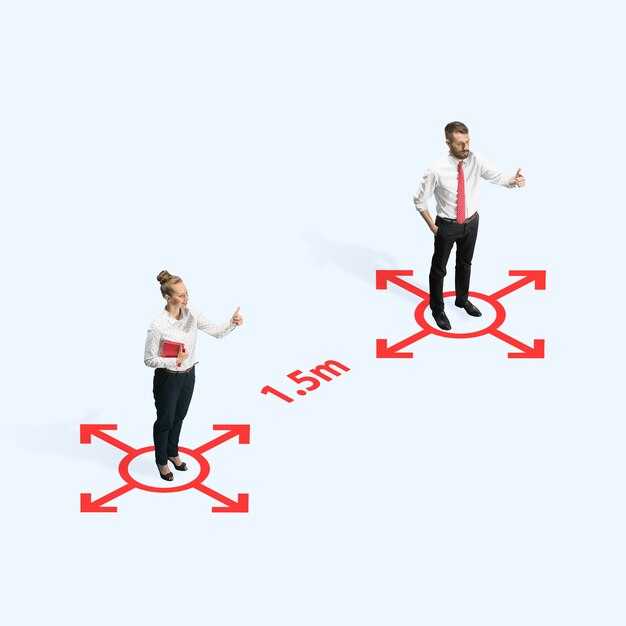
Her doğrudan raporla 30 dakikalık haftalık bir kontrol ve iki haftada bir 90 dakikalık bir ekip incelemesi ayarlayın, ilerlemeyi, engelleri ve sonraki eylemleri yakalamak için hafif bir şablon kullanın. Rollerde ekip çalışmasını desteklemek ve herkesi öncelikler konusunda uyum içinde tutmak için sabit bir döngü sürdürün. Her öncelik için tek bir sahip atayın ve mikroyönetim yerine sonuçlara odaklanın; bu yaklaşım güven oluşturur ve ilerlemeyi hızlandırır. Strateji oluşturabilmeniz, riskleri işaretleyebilmeniz ve hızlı bir şekilde ayarlama yapabilmeniz için herkesin erişebileceği ortak bir gösterge panosu bulundurun.
Geri bildirim sırasında, kişilikler yerine davranışlara ve etkiye odaklanın. Belirli örnekler tanımlayın ve göreceli önceliği belirlemek için sorunun önemine ağırlık ekleyin. Karşıdaki kişinin fikir ve endişelerini paylaşmasına izin vererek döngüyü iki yönlü hale getirin, bu da suçlama olmadan hesap verebilirliği güçlendirir.
Vizyoner bir lider olarak, denetim ile özerkliği tasarımla dengeleme ustası olursunuz. Döngüyü stratejik düşünceyi güçlendirmek için kullanın: günlük görevleri meşgul işe değil, sonuçlara bağlayın ve güvenlik önlemleri ve açık karar hakları sunarak katı kurallardan kaçının. Geri bildirime göre hareket etmek için zaman ve kaynak sağlayın, böylece iyileştirmeler somut olur.
Para ve kaynak kısıtlamalarını incelemeler sırasında açıkça ele alın; paranın yüksek etkili işlere tahsis edildiğinden emin olun ve öncelikler geliştikçe bütçeleri ayarlayın. Bu döngüyü ekibi ileriye taşıyan iyileştirme alışkanlıklarına bağlayın, ilerlemeyi sessizce izleyin ve küçük zaferleri kutlayın.
Hızlıca uygulamak için: proje aracınızda basit bir şablonla başlayın ve her kontrol için takvim hatırlatıcıları ayarlayın. Her oturumu üç soru etrafında çerçeveleyin: ilerleme kaydeden nedir, engelleyen nedir, bir sonraki eylem ve sahip nedir. Herkesi, diğer ekipler dahil, katkıda bulunmaya teşvik edin, böylece uyum içinde kalmak solo bir çaba yerine ortak bir sorumluluk haline gelir.
Yol 5: Güven Ve Psikolojik Güvenlik İnşa Ederek Özerkliği Sürdürün
Psikolojik güvenliğe odaklanmış 15 dakikalık haftalık birebir görüşmelerle başlayın. Şu soruyu sorarak başlayın: Bu hafta daha fazla katkıda bulunmanıza ne yardımcı olurdu? Kaldırmamız gereken ne engelledi? Aktif olarak dinleyin, ardından içgörüleri 24 saat içinde somut eylemlere dönüştürün. Bu güvenli alan korkudan kaynaklanan sonsuz döngüleri azaltır, konuşmacıların riske girmeden konuşmasını sağlar ve özerkliği sürdüren yaklaşımı yönlendirir. Hataları başarısızlık olarak değil, performansı iyileştirmek için gereken veri olarak görmeleri için yeniden çerçeveler kullanın. Bu değişim, başarılı olmanıza yardımcı olur ve ekibi deney yapmaya serbest bırakır. Geri bildiriminiz pusulayı şekillendirir; sizin girdiniz önemlidir. Engeller çıktığında şikayet etmeyin – bunun yerine onları yakalayın ve hızlı hareket edin.
Güvenliği göz önünde bulundurarak özerkliği sürdürmek için üç pratik yol: 1) her ekip üyesinin net bir pusulası ve kendi yolunu belirleme özgürlüğü olması için sonuçları ve karar haklarını kodlayın; 2) engellerin, kaynakların ve taleplerin yayınlandığı ve hızla ele alındığı, makroyönetimi azaltan düşük sürtünmeli bir ihtiyaç panosu oluşturun; 3) başkalarının öğrenmesi ve tekrarlaması için akıllı kararları, yeniden çerçeveleri ve başarıya katkıda bulunan yaklaşımları vurgulayan aylık bir iç blog yayınlayın. Yerel olarak çözemediğiniz bir engel olmadıkça liderliğe yükseltmeyin.
Sahipliği teşvik etmek için sprintlerden sonra kısa haftalık bir güvenlik retrosu yapın: ne iyi gitti, ne gitmedi? Sorunlar yığılmadan önce beklemeyin; çeyrekte kalan sonraki döngüleri şekillendirmek için bu tartışmaları kullanın. Bu, daha büyük bir yetki hissi yaratır ve ekibinizin iş akışını belirlediğini, tersinin olmadığını gösterir. Akranların bilge davranışları takdir etmelerini ve suçlama olmadan engelleri belirtmelerini teşvik edin. Bu döngü tabanlı yaklaşım sayesinde ekip korkuyu yenebilir ve misyonla uyum içinde kalabilir, özerklik ve psikolojik güvenlik arayan en iyi yetenekleri çekebilir.
Görsel hizalamayı bir balık sürüsü gibi hayal edin: ekip arkadaşları mikroyönetim olmadan ortak bir hedef etrafında birlikte hız ayarlar. Güveni pekiştirmek ve ekiplerin başarılı olmasına yardımcı olan pratik adımları paylaşmak için günlük ritüellerde ve iç blogda bu görüntüyü kullanın. İnsanlar somut sonuçları gördüklerinde, daha fazla katkıda bulunur ve meşgul kalırlar, kültürünüze çekilenlerin havuzunu genişletirler.
İlerlemeyi kısa bir çeyreklik gösterge panosu ile ölçün: psikolojik güvenlik puanı, özerklik endeksi ve ihtiyaç-katkı oranı. Makroyönetim azalmasını ölçmek için yükseltme olmadan kaç kararın gerçekleştiğini takip edin. Hangi yaklaşımın daha fazla güven ve daha güçlü sonuçlar doğurduğunu belirlemek için ekipleri karşılaştırın. Koçluğu iyileştirmek, blogda öğrenmeleri paylaşmak ve liderliğe özerkliğin performansı ölçeklendirdiğini, harika yetenekleri çekmenize yardımcı olduğunu kanıtlamak için içgörüleri kullanın. Risk almayı tek bir lidere bırakmayın; her ekibi eylem yapmaya ve darboğazları aşmaya yetkilendirin.