
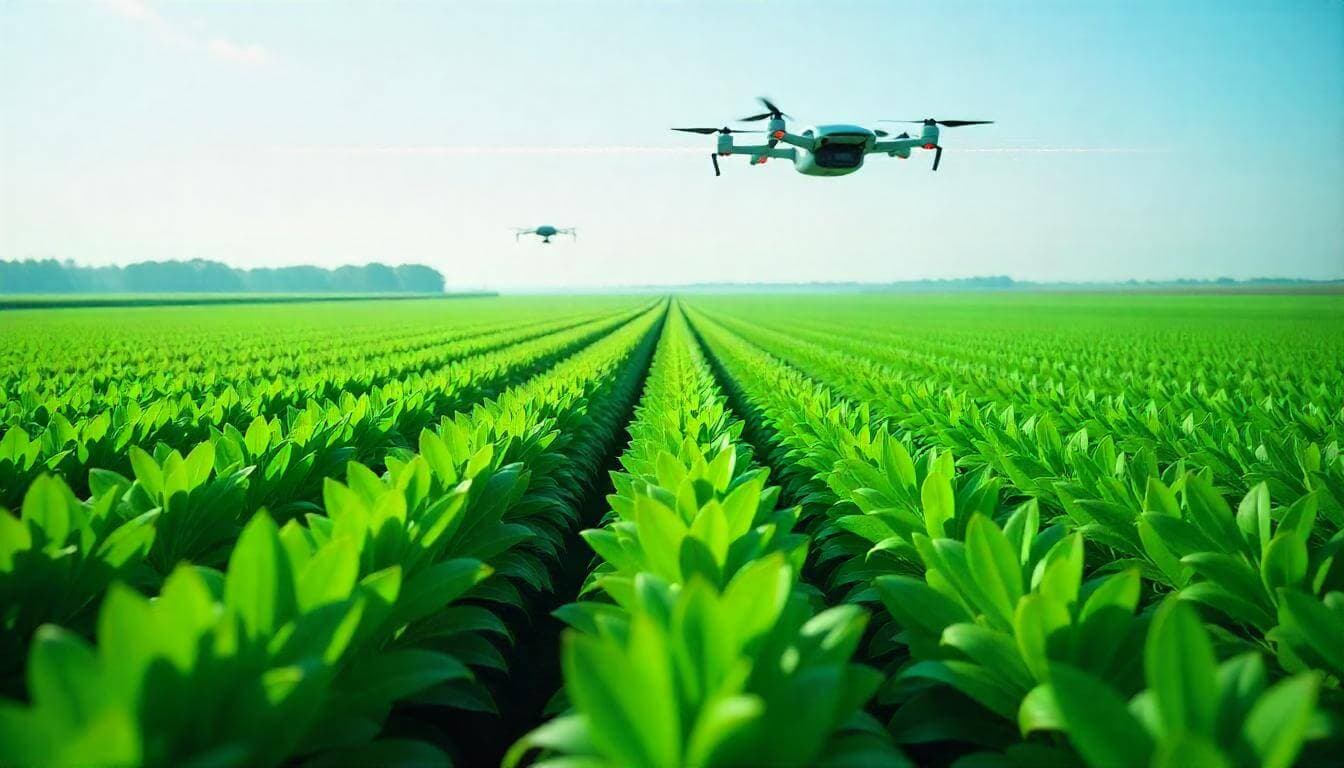
A procura global por alimentos continua a aumentar. As alterações climáticas afetam a agricultura. Os agricultores enfrentam desafios sem precedentes. No entanto, a tecnologia oferece soluções. Um investimento recente de 70 milhões de dólares alimenta uma revolução Agtech. Esta iniciativa promete duplicar de forma sustentável a produção de culturas. Esta injeção significativa de capital poderá redefinir as práticas agrícolas. Em última análise, visa garantir um futuro mais sustentável para a produção de alimentos em todo o mundo. Exploramos as profundas implicações deste desenvolvimento.
A Urgência da Inovação na Agricultura
A população mundial continua a crescer. Os especialistas preveem nove mil milhões de pessoas até 2050. Isto cria uma enorme pressão sobre os sistemas alimentares. Simultaneamente, as alterações climáticas trazem consigo condições meteorológicas extremas. Secas, inundações e estações imprevisíveis ameaçam as colheitas. Os métodos agrícolas tradicionais muitas vezes sobrecarregam os recursos. Podem esgotar a saúde do solo. Também consomem grandes quantidades de água e produtos químicos.
Por conseguinte, a inovação na agricultura é urgente. Os agricultores precisam de novas ferramentas. Devem produzir mais alimentos com menos recursos. Também precisam de minimizar o impacto ambiental. Esta situação exige soluções que melhorem a eficiência. Requer métodos que promovam a sustentabilidade. Assim, a crise atual cria um terreno fértil para a tecnologia agrícola.
Compreender a Agtech Moderna: Pilares do Progresso
A Agtech moderna engloba diversas tecnologias. Estas são fundamentais para a atual revolução Agtech. Os sensores da Internet das Coisas (IoT) são um componente fundamental. Recolhem dados em tempo real dos campos. Isso inclui a humidade do solo, os níveis de nutrientes e a saúde das plantas. A Inteligência Artificial (IA) analisa estes vastos dados. Fornece informações acionáveis. Os agricultores recebem recomendações precisas para a irrigação ou fertilização.
Além disso, a robótica automatiza tarefas repetitivas. Os drones podem monitorizar as culturas de cima. Os tratores autónomos podem plantar e colher. A biotecnologia oferece culturas geneticamente otimizadas. Estas resistem a pragas ou toleram condições adversas. A agricultura vertical e a agricultura em ambiente controlado (CEA) maximizam o espaço. Reduzem o uso de água. Em última análise, estas tecnologias trabalham em conjunto. Criam um sistema agrícola mais eficiente e resiliente.
O Investimento de 70 Milhões de Dólares: Um Catalisador para a Mudança
Um investimento recente de 70 milhões de dólares representa um importante catalisador. Apoia diretamente esta revolução Agtech. O financiamento veio de um sindicato de capitalistas de risco. Também participaram investidores institucionais líderes. Este capital tem como alvo uma empresa Agtech pioneira. Esta empresa é especializada em agricultura de precisão alimentada por IA. A sua plataforma integra dados de IoT. Em seguida, utiliza a aprendizagem automática para otimizar todas as fases do crescimento das culturas.
Esta injeção significativa de capital irá acelerar a sua investigação. Também irá expandir o seu alcance no mercado. O investimento demonstra uma forte confiança. Os investidores acreditam na capacidade da empresa de cumprir a sua promessa. Essa promessa é duplicar a produção das colheitas de forma sustentável. Este financiamento também sinaliza uma tendência mais ampla. Os investidores reconhecem cada vez mais o papel vital da Agtech. Oferece soluções para a segurança alimentar global e os desafios ambientais.
Como a Tecnologia Duplica a Produção das Colheitas: Precisão em Escala
Esta iniciativa Agtech emprega vários mecanismos para duplicar a produção das colheitas. A agricultura de precisão desempenha um papel fundamental. O sistema utiliza imagens de satélite e dados de drones. Combina isto com leituras de sensores terrestres. Isto cria mapas agrícolas altamente detalhados. Os agricultores aplicam, então, os insumos com precisão. Utilizam apenas a quantidade necessária de água e fertilizantes. Isto elimina o desperdício. Também reduz os custos.
Optimized irrigation systems utilize AI. They deliver water directly to plant roots. This minimizes evaporation and runoff. Advanced pest and disease management systems employ AI. They detect outbreaks early. They then recommend targeted treatments. This reduces the need for widespread pesticide use. Furthermore, biotechnology enhances seed performance. It develops crops with higher natural resistance. These combined technologies significantly boost yield. They do so without increasing resource consumption.
Ensuring Sustainability: A Greener Agricultural Future
The $70 million Agtech revolution emphasizes sustainability. Doubling crop yields must happen responsibly. Reduced water consumption is a key benefit. Precision irrigation uses up to 50% less water. This conserves vital resources. Lower fertilizer use also occurs. AI-driven recommendations prevent overuse. This reduces nutrient runoff. It minimizes pollution of waterways.
Moreover, reduced pesticide application protects biodiversity. It safeguards beneficial insects. It also lessens chemical exposure for farmers. Enhanced soil health practices become more feasible. Sensors monitor soil conditions. They guide regenerative agriculture techniques. These include no-till farming and cover cropping. Ultimately, this investment supports environmentally friendly practices. It moves agriculture towards a truly greener future. It demonstrates that productivity and ecological responsibility can coexist.
Economic Impact on Farmers and Markets
The economic impact of this Agtech initiative is substantial. Farmers directly benefit from higher yields. They produce more food from the same land area. This increases their income. Reduced input costs also improve profitability. Farmers save money on water, fertilizer, and pesticides. This helps small and large farms alike. It makes farming more financially viable.
For markets, increased supply can stabilize food prices. It reduces volatility caused by climate events. More abundant harvests ensure greater food security. Supply chains become more resilient. This innovative technology also creates new job opportunities. It fosters growth in the Agtech sector itself. This translates into economic benefits for rural communities. It also provides advantages for the broader economy. Thus, the Agtech revolution improves livelihoods and market stability.
Challenges and Future Outlook: Overcoming Hurdles
Despite its promise, the Agtech revolution faces challenges. Initial investment costs can be high for individual farmers. Access to capital and training are crucial. Governments and financial institutions must provide support. Regulatory hurdles also exist. New biotechnologies and data privacy concerns require clear frameworks. Ensuring equitable access to these technologies is also important. This prevents a digital divide in agriculture.
However, the future outlook remains highly optimistic. Ongoing advancements in AI and robotics promise even greater efficiencies. Vertical farms and urban agriculture solutions will gain traction. They will bring food production closer to consumers. Climate-resilient crops will become more common. This will adapt farming to changing environmental conditions. Eventually, this $70 million investment signals a tipping point. It pushes agriculture towards an era of unprecedented productivity and environmental stewardship.
Lessons for Global Food Security: A Collaborative Path
This $70 million initiative offers vital lessons for global food security. Firstly, private investment plays a crucial role. It complements public research. Secondly, interdisciplinary approaches are essential. Combining agriculture, AI, and environmental science yields the best results. Policymakers must create supportive environments. This includes incentives for sustainable farming practices. It also requires investments in rural digital infrastructure.
Furthermore, education and farmer adoption are key. New technologies only succeed if farmers understand and use them. Training programs and demonstration farms are necessary. Collaboration across the entire food value chain is also critical. This includes researchers, farmers, tech providers, and consumers. Ultimately, this Agtech revolution shows what is possible. It lights a path toward feeding a growing population sustainably. It provides a blueprint for future global food efforts.
Conclusion: A Sustainable Future for Food
The $70 million investment in Agtech marks a profound shift. It spearheads a revolution in how we produce food. This financial backing fuels innovation. It brings advanced technologies to the field. Consequently, it promises to sustainably double crop yields. This initiative addresses pressing global challenges. These include food security, resource scarcity, and climate change. The future of agriculture looks brighter. It will be more productive. It will also be more environmentally responsible. This Agtech revolution secures a sustainable future for generations to come.