
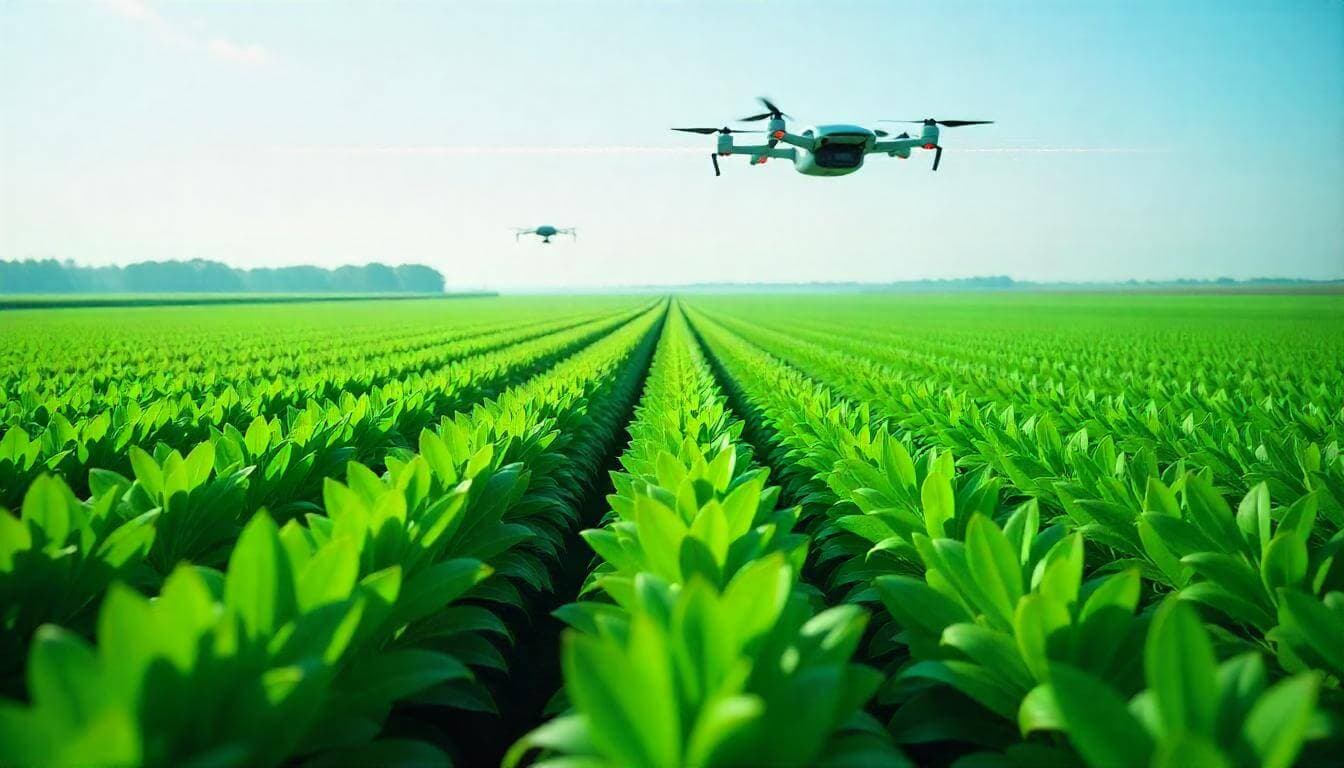
De wereldwijde vraag naar voedsel blijft stijgen. Klimaatverandering heeft invloed op de landbouw. Boeren staan voor ongekende uitdagingen. Technologie biedt echter oplossingen. Een recente investering van $70 miljoen stimuleert een Agtech-revolutie. Dit initiatief belooft de gewasopbrengsten duurzaam te verdubbelen. Deze aanzienlijke kapitaalinjectie zou landbouwpraktijken kunnen herdefiniëren. Uiteindelijk is het doel om een duurzamere toekomst voor de voedselproductie wereldwijd te verzekeren. We onderzoeken de diepgaande implicaties van deze ontwikkeling.
De urgentie voor innovatie in de landbouw
De wereldbevolking blijft groeien. Experts voorspellen negen miljard mensen tegen 2050. Dit creëert een immense druk op voedselsystemen. Tegelijkertijd brengt klimaatverandering extreem weer met zich mee. Droogtes, overstromingen en onvoorspelbare seizoenen bedreigen oogsten. Traditionele landbouwmethoden belasten vaak de hulpbronnen. Ze kunnen de gezondheid van de bodem uitputten. Ze verbruiken ook enorme hoeveelheden water en chemicaliën.
Daarom is innovatie in de landbouw dringend nodig. Boeren hebben nieuwe tools nodig. Ze moeten meer voedsel produceren met minder middelen. Ze moeten ook de impact op het milieu minimaliseren. Deze situatie vereist oplossingen die de efficiëntie verbeteren. Het vereist methoden die duurzaamheid bevorderen. De huidige crisis creëert dus een vruchtbare bodem voor landbouwtechnologie.
Moderne Agtech begrijpen: pijlers van vooruitgang
Moderne Agtech omvat diverse technologieën. Deze staan centraal in de huidige Agtech-revolutie. Internet of Things (IoT)-sensoren zijn een belangrijk onderdeel. Ze verzamelen real-time data van velden. Dit omvat bodemvocht, nutriëntenniveaus en plantgezondheid. Kunstmatige intelligentie (AI) analyseert deze enorme hoeveelheid data. Het biedt bruikbare inzichten. Boeren ontvangen nauwkeurige aanbevelingen voor irrigatie of bemesting.
Verder automatiseren robots repetitieve taken. Drones kunnen gewassen van bovenaf monitoren. Autonome tractoren kunnen planten en oogsten. Biotechnologie biedt genetisch geoptimaliseerde gewassen. Deze zijn resistent tegen plagen of tolereren barre omstandigheden. Verticale landbouw en Controlled Environment Agriculture (CEA) maximaliseren de ruimte. Ze verminderen het waterverbruik. Uiteindelijk werken deze technologieën samen. Ze creëren een efficiënter en veerkrachtiger landbouwsysteem.
De investering van $70 miljoen: een katalysator voor verandering
Een recente investering van $70 miljoen vertegenwoordigt een belangrijke katalysator. Het ondersteunt rechtstreeks deze Agtech-revolutie. De financiering kwam van een syndicaat van durfkapitalisten. Toonaangevende institutionele beleggers namen ook deel. Dit kapitaal is gericht op een baanbrekend Agtech-bedrijf. Dit bedrijf is gespecialiseerd in AI-gestuurde precisielandbouw. Hun platform integreert IoT-data. Vervolgens gebruikt het machine learning om elke fase van de gewasgroei te optimaliseren.
Deze aanzienlijke kapitaalinjectie zal hun onderzoek versnellen. Het zal ook hun marktbereik vergroten. De investering toont sterk vertrouwen. Investeerders geloven in het vermogen van het bedrijf om zijn belofte waar te maken. Die belofte is het duurzaam verdubbelen van de gewasopbrengsten. Deze financiering signaleert ook een bredere trend. Investeerders erkennen steeds meer de cruciale rol van Agtech. Het biedt oplossingen voor wereldwijde voedselzekerheid en milieu-uitdagingen.
Hoe technologie de gewasopbrengsten verdubbelt: precisie op schaal
Dit Agtech-initiatief hanteert verschillende mechanismen om de gewasopbrengsten te verdubbelen. Precisielandbouw speelt een cruciale rol. Het systeem gebruikt satellietbeelden en drone-data. Het combineert dit met grondgebaseerde sensoruitlezingen. Dit creëert zeer gedetailleerde boerderijkaarten. Boeren passen vervolgens inputs precies toe. Ze gebruiken alleen de benodigde hoeveelheid water en meststoffen. Dit elimineert verspilling. Het verlaagt ook de kosten.
Optimized irrigation systems utilize AI. They deliver water directly to plant roots. This minimizes evaporation and runoff. Advanced pest and disease management systems employ AI. They detect outbreaks early. They then recommend targeted treatments. This reduces the need for widespread pesticide use. Furthermore, biotechnology enhances seed performance. It develops crops with higher natural resistance. These combined technologies significantly boost yield. They do so without increasing resource consumption.
Ensuring Sustainability: A Greener Agricultural Future
The $70 million Agtech revolution emphasizes sustainability. Doubling crop yields must happen responsibly. Reduced water consumption is a key benefit. Precision irrigation uses up to 50% less water. This conserves vital resources. Lower fertilizer use also occurs. AI-driven recommendations prevent overuse. This reduces nutrient runoff. It minimizes pollution of waterways.
Moreover, reduced pesticide application protects biodiversity. It safeguards beneficial insects. It also lessens chemical exposure for farmers. Enhanced soil health practices become more feasible. Sensors monitor soil conditions. They guide regenerative agriculture techniques. These include no-till farming and cover cropping. Ultimately, this investment supports environmentally friendly practices. It moves agriculture towards a truly greener future. It demonstrates that productivity and ecological responsibility can coexist.
Economic Impact on Farmers and Markets
The economic impact of this Agtech initiative is substantial. Farmers directly benefit from higher yields. They produce more food from the same land area. This increases their income. Reduced input costs also improve profitability. Farmers save money on water, fertilizer, and pesticides. This helps small and large farms alike. It makes farming more financially viable.
For markets, increased supply can stabilize food prices. It reduces volatility caused by climate events. More abundant harvests ensure greater food security. Supply chains become more resilient. This innovative technology also creates new job opportunities. It fosters growth in the Agtech sector itself. This translates into economic benefits for rural communities. It also provides advantages for the broader economy. Thus, the Agtech revolution improves livelihoods and market stability.
Challenges and Future Outlook: Overcoming Hurdles
Despite its promise, the Agtech revolution faces challenges. Initial investment costs can be high for individual farmers. Access to capital and training are crucial. Governments and financial institutions must provide support. Regulatory hurdles also exist. New biotechnologies and data privacy concerns require clear frameworks. Ensuring equitable access to these technologies is also important. This prevents a digital divide in agriculture.
However, the future outlook remains highly optimistic. Ongoing advancements in AI and robotics promise even greater efficiencies. Vertical farms and urban agriculture solutions will gain traction. They will bring food production closer to consumers. Climate-resilient crops will become more common. This will adapt farming to changing environmental conditions. Eventually, this $70 million investment signals a tipping point. It pushes agriculture towards an era of unprecedented productivity and environmental stewardship.
Lessons for Global Food Security: A Collaborative Path
This $70 million initiative offers vital lessons for global food security. Firstly, private investment plays a crucial role. It complements public research. Secondly, interdisciplinary approaches are essential. Combining agriculture, AI, and environmental science yields the best results. Policymakers must create supportive environments. This includes incentives for sustainable farming practices. It also requires investments in rural digital infrastructure.
Furthermore, education and farmer adoption are key. New technologies only succeed if farmers understand and use them. Training programs and demonstration farms are necessary. Collaboration across the entire food value chain is also critical. This includes researchers, farmers, tech providers, and consumers. Ultimately, this Agtech revolution shows what is possible. It lights a path toward feeding a growing population sustainably. It provides a blueprint for future global food efforts.
Conclusion: A Sustainable Future for Food
The $70 million investment in Agtech marks a profound shift. It spearheads a revolution in how we produce food. This financial backing fuels innovation. It brings advanced technologies to the field. Consequently, it promises to sustainably double crop yields. This initiative addresses pressing global challenges. These include food security, resource scarcity, and climate change. The future of agriculture looks brighter. It will be more productive. It will also be more environmentally responsible. This Agtech revolution secures a sustainable future for generations to come.