In the fast-evolving direct-to-consumer (DTC) landscape, recapitalization can be a powerful tool to realign capital structures and fuel growth. A $90 million recapitalization recently transformed a DTC brand we’ll call “TrendVibe,” enabling it to optimize operations, expand globally, and enhance its digital platform. This strategic financial restructuring not only strengthened TrendVibe’s balance sheet but also positioned it as a leader in the DTC sector. This article explores the mechanics of the recapitalization, its impact on TrendVibe, and the lessons for DTC brands aiming to thrive in a competitive market.
The Mechanics of Recapitalization in DTC
Recapitalization involves restructuring a company’s debt and equity to improve financial stability or fund growth. For DTC brands, which often face high customer acquisition costs and inventory demands, recapitalization provides liquidity without ceding significant control. This can include issuing new debt, repurchasing equity, or swapping debt for equity, tailored to the company’s needs.
TrendVibe’s $90 million recapitalization was led by a private equity firm, “GrowEasy Capital,” which specialized in consumer brands. The deal leveraged TrendVibe’s $70 million in annual revenue and 30% year-over-year growth. By restructuring its capital, TrendVibe reduced financial strain and unlocked funds for strategic initiatives, demonstrating the transformative potential of recapitalization.
TrendVibe’s $90 Million Recapitalization Deal
TrendVibe, a DTC brand offering sustainable fashion and home goods, executed the $90 million recapitalization to address operational challenges and seize growth opportunities. With a loyal customer base of 500,000 and a strong social media presence, the brand faced rising logistics costs and needed capital for international expansion. The 2024 recapitalization, orchestrated by GrowEasy Capital, provided a solution, strengthening TrendVibe’s financial foundation.
Structuring the Recapitalization
The $90 million deal combined $60 million in new debt from a syndicate of lenders, including Goldman Sachs, and $30 million in equity from GrowEasy Capital. The funds were used to repurchase 20% of existing shares from early investors, reducing equity overhang, and refinance high-interest debt. TrendVibe’s valuation reached $450 million, driven by its 3:1 LTV-to-CAC ratio and 85% customer retention. The structure preserved founder control, allowing TrendVibe’s leadership to pursue its vision.
Strategic Use of Funds
TrendVibe allocated the funds to three key areas. First, $40 million optimized its supply chain, automating logistics to cut costs by 15%. Second, $30 million fueled expansion into Europe and Asia, targeting markets with high DTC demand. Finally, $20 million enhanced its e-commerce platform, integrating AI-driven personalization to boost conversions by 20%. These initiatives aimed to increase revenue to $100 million within 18 months.
Why Recapitalization Fits DTC Brands
DTC brands, with their direct customer relationships and data-driven models, are well-suited for recapitalization. Let’s explore why this financial strategy resonates in the sector.
Addressing Capital Intensity
DTC brands face high upfront costs for marketing and inventory. TrendVibe’s recapitalization provided liquidity to manage these expenses without diluting ownership. By refinancing debt, the brand reduced interest payments, freeing cash for growth.
Enabling Global Expansion
Entering new markets requires significant investment in localization and logistics. TrendVibe’s $30 million allocation for Europe and Asia tapped into a $500 billion DTC market. Recapitalization allows brands to scale globally while maintaining financial flexibility.
Enhancing Digital Capabilities
DTC success hinges on seamless e-commerce experiences. TrendVibe’s AI platform upgrades, funded by the recapitalization, improved customer engagement. This focus on technology aligns with DTC’s need for data-driven innovation, making recap. a strategic fit.
How the Recapitalization Transformed TrendVibe
The $90 million recapitalization reshaped TrendVibe’s operations and market position, delivering measurable outcomes.
Optimizing Supply Chain Efficiency
The $40 million supply chain investment automated warehousing and shipping, reducing delivery times by 25%. This efficiency attracted larger retailers, increasing order volume by 30%. By streamlining operations, TrendVibe strengthened its competitive edge in the DTC space.
Accelerating Global Market Entry
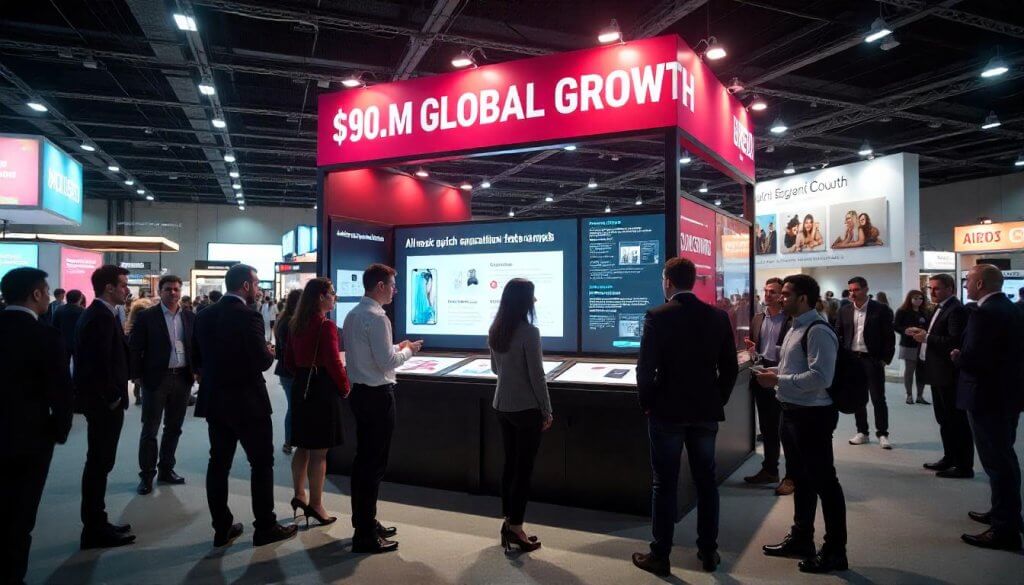
Expansion into Europe and Asia diversified TrendVibe’s revenue, with international sales accounting for 20% of revenue within six months. The brand localized its platform, integrating payment systems like Klarna, which boosted conversions. This global push positioned TrendVibe as a leading DTC player.
Enhancing Customer Experience
The $20 million e-commerce investment introduced AI personalization, recommending products based on user behavior. This drove a 20% increase in average order value, attracting premium customers. Consequently, TrendVibe’s customer base grew to 750,000, solidifying its market presence.
Market Impact of the $90 Million Recapitalization
TrendVibe’s recapitalization influenced the DTC ecosystem, shaping trends and competition.
Normalizing Financial Restructuring
The deal highlighted recapitalization as a viable strategy for DTC brands. In 2024, DTC firms secured $1.5 billion in recapitalization deals, up 10% from 2023. Brands like Glossier ($100 million recap.) followed suit, using restructuring to fuel growth without equity dilution.
Attracting Specialized Investors
TrendVibe’s success drew private equity and debt providers to the DTC sector. Firms like TPG Capital launched $300 million funds targeting consumer brands, citing TrendVibe’s 50% valuation increase. This capital influx is empowering mid-sized DTC firms to compete with giants like Warby Parker.
Driving Digital Innovation
The AI-driven platform upgrades set a benchmark for DTC e-commerce. Competitors like Allbirds invested in similar technologies, raising industry standards. This innovation wave is enhancing customer experiences, with DTC brands projected to capture 20% of e-commerce sales by 2028.
Lessons for DTC Brands Seeking Recapitalization
TrendVibe’s recapitalization offers practical insights for DTC brands pursuing similar strategies.
Optimize Financial Metrics
Investors valued TrendVibe’s 3:1 LTV-to-CAC ratio and high retention. DTC brands should maintain metrics like a CAC payback period under 12 months to attract recapitalization capital and secure favorable terms.
Asetu markkinatrendien mukaisesti
TrendViben keskittyminen kestävyyteen ja globaaleihin markkinoihin vastasi kuluttajien kysyntään. Brändien on mukauduttava trendeihin, kuten ympäristötietoisiin tuotteisiin tai mobiilikauppaan, maksimoidakseen sijoittajien kiinnostuksen ja markkinavaikutuksen.
Virtaviivaista toimintoja
Toimitusketjun automatisointi vähensi kustannuksia, mikä vahvisti TrendViben rahoitustapausta. Suoramyyntibrändien tulisi optimoida toimintojaan, kuten logistiikkaa tai varastonhallintaa, osoittaakseen tehokkuutta sijoittajille.
Neuvottele joustavat ehdot
Vieraan ja oman pääoman yhdistelmä säilytti TrendViben itsenäisyyden. Brändien tulisi pyrkiä pääomarakenteen uudelleenjärjestelyehtoihin, joissa likviditeetti ja määräysvalta ovat tasapainossa, mikä varmistaa joustavuuden pitkän aikavälin tavoitteiden saavuttamiseksi.
Hyödynnä dataohjattuja oivalluksia
TrendViben asiakastiedot, jotka oli integroitu Shopifyyn, rakensivat sijoittajien luottamusta. Suoramyyntibrändien on investoitava analytiikkaan tarjotakseen selkeitä taloudellisia oivalluksia, mikä nopeuttaa pääomarakenteen uudelleenjärjestelyn hyväksyntöjä.
Pääomarakenteen uudelleenjärjestelyn haasteet
Pääomarakenteen uudelleenjärjestelyyn liittyy riskejä. Uusi velka, kuten TrendViben 60 miljoonaa dollaria, voi rasittaa kassavirtaa, jos kasvu hidastuu. Korkeat arvostukset, 450 miljoonalla dollarilla, luovat paineita suorituskyvyn ylläpitämiseen, mikä vaarantaa strategiset virheet. Lisäksi osakkeiden takaisinosto voi vähentää sijoittajien luottamusta, jos siihen ei liity kasvusuunnitelmia. Suoramyyntibrändien on navigoitava näissä haasteissa varmistaakseen pääomarakenteen uudelleenjärjestelyn onnistuminen.
Pääomarakenteen uudelleenjärjestelyn tulevaisuus suoramyynnissä
TrendViben 90 miljoonan dollarin sopimus korostaa pääomarakenteen uudelleenjärjestelyn merkitystä suoramyynnissä. Globaalin verkkokaupan ennustetaan saavuttavan 8 biljoonan dollarin arvon vuoteen 2028 mennessä, joten suoramyyntibrändit tarvitsevat ketterää pääomaa kilpaillakseen. Trendit, kuten tekoälypohjainen personointi ja kestävät toimitusketjut, houkuttelevat enemmän pääomarakenteen uudelleenjärjestelysopimuksia, kun taas fintech-integraatiot virtaviivaistavat rahoitusta. Pääomarakenteen uudelleenjärjestelyn yleistyessä se edistää innovaatioita ja kasvua suoramyyntisektorilla.
Johtopäätös
90 miljoonan dollarin pääomarakenteen uudelleenjärjestely muutti TrendViben mahdollistaen globaalin laajentumisen, toiminnan tehokkuuden ja digitaalisen innovoinnin. Hyödyntämällä vahvoja mittareita, dataohjattuja oivalluksia ja joustavaa rahoitusta TrendVibe asetti vertailukohdan suoramyyntibrändeille. Sen menestys tarjoaa etenemissuunnitelman, joka korostaa linjausta, tehokkuutta ja skaalautuvuutta. Kun pääomarakenteen uudelleenjärjestely muokkaa suoramyyntimaisemaa, tämän kaltaiset sopimukset vievät brändit uusille korkeuksille kuluttajamarkkinoilla.