Ξεκινήστε με έναν 10λεπτο πρωινό περίπατο για να ξυπνήσετε το σώμα σας και να ρυθμίσετε την καρδιά σας σε έναν σταθερό ρυθμό. Αυτή η μικρή συνήθεια υπογραμμίζει τη σημασία της σταθερής φροντίδας. Είστε οι σκηνοθέτες της ημέρας σας και οι μικρές ενέργειες αθροίζονται. Αυτή η προσέγγιση κρατά την περιττή ένταση στον κόλπο και καθιστά τις μεγάλες αλλαγές ευκολότερες στον χειρισμό, προσφέροντας αυτή την επιπλέον ώθηση που αισθάνεστε κάθε πρωί.
Στη συνέχεια, ενυδατωθείτε καλά και δομήστε τα γεύματα γύρω από τρόφιμα που τροφοδοτούν την ενέργεια και τη διάθεση. Στοχεύστε σε δύο μερίδες λαχανικών, μία μερίδα πρωτεΐνης και δημητριακά ολικής αλέσεως στα περισσότερα γεύματα. Ένα γρήγορο βιβλίο με απλές συνταγές μπορεί να σας καθοδηγήσει. Αυτή η βοηθητική συνήθεια μειώνει την επιθυμία για γλυκό, υποστηρίζει την ανθεκτική σκέψη και σας κρατά σταθερούς όλη την ημέρα. Μόλις ξεκινήσετε, θα παρατηρήσετε μικρές αλλαγές στην εστίαση και την ενέργεια.
Καθορίστε μια σταθερή ώρα ύπνου, χαμηλώστε τα φώτα και περιορίστε την τεχνολογία μετά το σούρουπο. Ένα 15λεπτο χαλάρωσης με διατάσεις και ήρεμη αναπνοή σας βοηθά να ανακάμψετε και βελτιώνει τη διάθεση κατά τη διάρκεια της ημέρας. Εάν χάσετε μια νύχτα, συγχωρέστε τον εαυτό σας. αλλιώς μπορείτε να επαναφέρετε.
Κινήστε το σώμα σας τακτικά με δύο απλές επιλογές: ζωηρό περπάτημα ή μια σύντομη άσκηση με το βάρος του σώματος. Κάντε το προκλητικό αλλά εφικτό. προγραμματίστε το 2–3 φορές την εβδομάδα για 20–30 λεπτά. Χρησιμοποιήστε ένα βασικό αρχείο καταγραφής για να παρακολουθείτε τις ημέρες, τα λεπτά και τη διάθεση. Αυτές οι συμβουλές σας κρατούν ανθεκτικούς και σας βοηθούν να παραμείνετε σε καλό δρόμο, ακόμη και όταν η ζωή γίνεται δύσκολη.
Προστατέψτε την εστίασή σας θέτοντας όρια με την τεχνολογία: απενεργοποιήστε τις μη απαραίτητες ειδοποιήσεις, καθορίστε ένα καθημερινό παράθυρο εκτός σύνδεσης και κρατήστε ένα δωμάτιο χωρίς τεχνολογία. Αυτή η απλή αλλαγή μειώνει το γνωστικό φορτίο και σας βοηθά να παραμείνετε παρόντες με τους άλλους. Εάν λαχταράτε ήχο παρασκηνίου, επιλέξτε ένα σύντομο ραδιοφωνικό πρόγραμμα αντί για ροή, και μετά επιστρέψτε στις εργασίες ανανεωμένοι.
Υιοθετήστε μικροπρακτικές που σας αρέσουν: μια γρήγορη άσκηση αναπνοής, μια σημείωση ευγνωμοσύνης ή ένα 5λεπτο τέντωμα πριν από τα γεύματα. Χρησιμοποιήστε ένα βιβλίο ή μια λίστα αναπαραγωγής που αγαπάτε και θυμηθείτε ότι οι μικρές πράξεις παράγουν σταθερά κέρδη. Αυτές οι συμβουλές κάνουν την αυτο-φροντίδα πρακτική και βιώσιμη, βοηθώντας σας να παραμείνετε δραστήριοι και συμπονετικοί προς τον εαυτό σας.
Βήμα Τρία: Επιλέξτε Στρατηγικές Αυτο-Φροντίδας
Επιλέξτε ένα βήμα που μπορείτε να κάνετε σήμερα: κινηθείτε για 5 λεπτά και πιείτε νερό για να ανανεωθείτε από μέσα σας.
Κάντε το σε ένα κοντινό μέρος, όπως η κουζίνα ή ο διάδρομός σου, και στοχεύστε σε ένα 10λεπτο τέντωμα ή ζωηρό περπάτημα.
Συνδυάστε το φαγητό με έξυπνες επιλογές: τα τρόφιμα που εξισορροπούν πρωτεΐνες, φυτικές ίνες και λίπη σταθεροποιούν τη διάθεση. Ετοιμάστε ένα σνακ με γιαούρτι και μούρα, ή ένα μήλο με ξηρούς καρπούς, και μετά πιείτε ξανά νερό. Αυτό υποστηρίζει τις ανάγκες σας.
Προσθέστε ψυχαγωγία, όπως μια 10λεπτη λίστα αναπαραγωγής, για να επαναφέρετε τη διάθεσή σας. Αναζητήστε υποστήριξη από κάποιον που εμπιστεύεστε. μια γρήγορη συνομιλία με έναν κοντινό φίλο μπορεί να αυξήσει το κίνητρο.
Η οργανωμένη σχεδίαση βοηθά: κρατήστε μια απλή εγκατάσταση σε ένα κοντινό σημείο με νερό, ένα υγιεινό σνακ και μια σημείωση που να αναφέρει τις επιλεγμένες στρατηγικές σας. Αυτό το μέρος διευκολύνει το διάλειμμα κάθε ώρα, και η μετατροπή αυτών των βημάτων σε μια επιπλέον ρουτίνα κάνει την καλύτερη αυτο-φροντίδα να φαίνεται φυσική.
Δημιουργήστε μια Καθημερινή Λίστα Αυτο-Φροντίδας 5 Στοιχείων
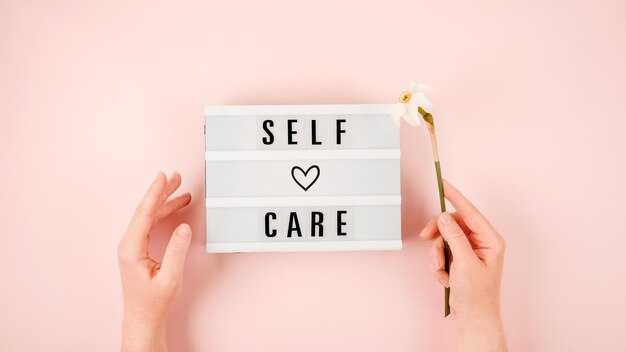
Κάντε αυτή την καθημερινή λίστα αυτο-φροντίδας 5 στοιχείων σε λιγότερο από 15 λεπτά για να ενισχύσετε την υγεία και τη διάθεση. Αυτή η θεμελιώδης ρουτίνα χτίζει βασικά στοιχεία στα οποία μπορείτε να βασιστείτε, με μετρήσιμα αποτελέσματα. Δεν είναι δαπανηρή, και ο αντίκτυπος εμφανίζεται με την πάροδο του χρόνου - μόλις δεσμευτείτε, αισθάνεστε την καρδιά και το σώμα να ανταποκρίνονται. Αυτή η συνήθεια μεγέθους βιβλίου διευκολύνει τη φροντίδα αυτού του σώματος και της καρδιάς, και εξασφαλίζει μια σταθερή ρουτίνα.
Στοιχείο 1: Όρια το Πρωί Θέστε ένα όριο 60 λεπτών μετά το ξύπνημα για να αποφύγετε τις ειδοποιήσεις εργασίας. Πιείτε μια γουλιά νερό και σημειώστε την ποσότητα που πίνετε, στη συνέχεια αφιερώστε 2 λεπτά για να παρατηρήσετε τον καρδιακό σας ρυθμό και την αναπνοή σας. Αυτή η απλή κίνηση προστατεύει τον ύπνο, τη διάθεση και την εστίαση και δεν είναι δαπανηρή.
Στοιχείο 2: Γρήγορη Κίνηση για την Καρδιά Κάντε 3 λεπτά ήπιας κίνησης: έναν σύντομο περίπατο, μερικά καθίσματα και 5 βαθιές αναπνοές. Αυτό ενισχύει την κυκλοφορία, βελτιώνει τη διάθεση και σταθεροποιεί τη ρουτίνα σας. Μικρή προσπάθεια αποφέρει μεγάλα αποτελέσματα που υποστηρίζουν την υγεία και τις πιο υγιεινές επιλογές όλη την ημέρα.
Στοιχείο 3: Προετοιμασία για τον Ύπνο Δημιουργήστε μια ήρεμη νύχτα μειώνοντας τα φώτα, απενεργοποιώντας τις οθόνες 30 λεπτά πριν τον ύπνο και σκεπαστείτε με μια ελαφριά κουβέρτα. Μια σταθερή νυχτερινή ρουτίνα βελτιώνει την ποιότητα του ύπνου και την αποκατάσταση, ώστε να ξυπνάτε ξεκούραστοι και έτοιμοι για την επόμενη μέρα.
Στοιχείο 4: Ενυδάτωση + Ελαφριά Τροφή Ξεκινήστε με ένα ποτήρι νερό και ένα μικρό, υγιεινό σνακ για να διατηρήσετε σταθερή την ενέργεια. Αυτό το επιπλέον βήμα είναι θεμελιώδες για την εστίαση και τη διάθεση και ωθεί τις επιλογές προς πιο υγιεινές επιλογές. Θα παρατηρήσετε τον αντίκτυπο στην ενέργειά σας και τη διαύγεια σας.
Στοιχείο 5: Γρήγορος Αναστοχασμός και Επισκόπηση Ορίων Αφιερώστε 3 λεπτά για να σημειώσετε ένα όριο που τηρήσατε καλά, μια ευκαιρία να παρεκκλίνετε από το σχέδιο και μια ενέργεια για να το ενισχύσετε αύριο. Αυτός ο σύντομος έλεγχος αποφέρει αποτελέσματα και ενισχύει τον λόφο της προόδου σας, υπενθυμίζοντάς σας ότι η συνέπεια κερδίζει τις μεγάλες, δαπανηρές αλλαγές.
Συνδυάστε Κάθε Στοιχείο Με Ένα Ρεαλιστικό Χρονικό Διάστημα
Ενυδάτωση – συνδυάστε με μια ρουτίνα 7:30 π.μ.: πιείτε ένα ποτήρι νερό μέσα στην πρώτη ώρα μετά το ξύπνημα για να ξεκινήσετε τη μέρα σας με σταθερή ενέργεια και πιο καθαρή διάθεση.
Διατροφή – στο μεσημεριανό γεύμα, συμπεριλάβετε μια σαλάτα πλούσια σε χρώματα με πρωτεΐνη. αυτή η απλή αλλαγή μειώνει την απογευματινή κόπωση και υποστηρίζει μια ισχυρότερη διάθεση.
Κινηθείτε περισσότερο – προγραμματίστε έναν γρήγορο περίπατο 15 λεπτών κοντά στις 6:15 μ.μ. για να καθαρίσετε το μυαλό και να βελτιώσετε τη διάθεση, ακόμη και σε πολυάσχολες μέρες.
Προετοιμασία ύπνου – 5 λεπτά χαλάρωσης στις 9:45 μ.μ.: χαμηλώστε τα φώτα, τεντωθείτε και μια ζεστή κουβέρτα για να χαλαρώσετε το σώμα για ανάπαυση, βελτιώνοντας την ποιότητα του ύπνου.
Ασχοληθείτε με τα αγαπημένα σας πρόσωπα – ένα τηλεφώνημα ή μήνυμα 10 λεπτών το μεσημέρι με την κοντινή οικογένεια, το οποίο ενισχύει το κίνητρο και μειώνει την απομόνωση.
Διαλογισμός ή ημερολόγιο – 5 λεπτά μετά το μεσημεριανό γεύμα για να σημειώσετε το συναίσθημά σας, τη διάθεσή σας και τις μικρές νίκες. χρησιμοποιήστε αυτόν τον προβληματισμό για να καθοδηγήσετε τα επόμενα βήματά σας και να αποτρέψετε την ανάπτυξη της κατάθλιψης.
Δημιουργήστε τον χώρο – δημιουργήστε μια ήρεμη γωνιά με μια απαλή κουβέρτα και ζεστό φως, κοντά στο χώρο εργασίας σας, για να υποστηρίξετε μια γρήγορη επαναφορά όταν αυξάνεται το άγχος.
Ξεκούραστο διάλειμμα – κάντε μια παύση 10 λεπτών χωρίς οθόνη στα μέσα του απογεύματος για να μειώσετε τα προβλήματα από τη συνεχή εναλλαγή εργασιών.
Ενδιαφέρουσα δραστηριότητα – 12 λεπτά από ένα χόμπι που σας αρέσει να ασχολείστε, το οποίο ενισχύει την ενέργεια και δίνει στους αγαπημένους σας μια αίσθηση προόδου.
Καθορισμός στόχων – θέστε έναν ρεαλιστικό στόχο για την ημέ
Κρατήστε το βιβλίο στο γραφείο σας ώστε να μπορείτε να σημειώνετε τη διάθεσή σας, την ενέργειά σας και τη συναισθηματική σας κατάσταση κάθε φορά που κάνετε έλεγχο. Αυτή η ανθρωποκεντρική προσέγγιση σας κρατά σε επαφή με τον καλύτερό σας εαυτό και τους βοηθά να βλέπουν την πρόοδο σε πραγματικό χρόνο.
Όταν μια μέρα αισθάνεστε ότι είναι δύσκολη, κάντε ένα βήμα πίσω: μειώστε τη δράση σε ένα μικρότερο χρονικό διάστημα και κρατήστε την κοντά σας. Εάν μια εργασία είναι πολύ μεγάλη, μειώστε τη διάρκεια ή τη συχνότητα και περιορίστε την σε ένα μέγεθος που ταιριάζει στην ημέρα σας. Η μείωση της χρήσης οθονών αργά το βράδυ, η ενυδάτωση και η κίνηση ακόμη και για 10 λεπτά μετράνε για τους στόχους σας.
Στο τέλος των δύο εβδομάδων, εξετάστε τι έμεινε, τι αισθανθήκατε καλύτερα και τι θα μεταφέρετε. Αυτή η προσέγγιση καθοδήγησης σάς υπενθυμίζει να παραμείνετε σε καλό δρόμο. Χρησιμοποιήστε αυτή την πληροφορία για να θέσετε το επόμενο σχέδιο δύο εβδομάδων, διατηρώντας την ορμή και υπενθυμίζοντας στον εαυτό σας ότι πλησιάζετε στον στόχο σας και στην ευημερία σας.
Καταγράψτε Μικρές Νίκες με ένα Απλό Ημερολόγιο
Κρατήστε ένα ημερολόγιο 5 λεπτών κάθε βράδυ για να καταγράψετε μία μικρή νίκη που υποστηρίζει τους στόχους σας. Αυτό ενισχύει την επίγνωση της προόδου, μειώνει την αγχωτική σκέψη και χτίζει δύναμη προς πιο υγιεινές συνήθειες και φυσική κατάσταση.
Χρησιμοποιήστε ένα απλό πρότυπο που μπορείτε να συμπληρώσετε σε δευτερόλεπτα: τι συνέβη, πότε συνέβη και πώς αισθανθήκατε. Κάντε το αυτό ενώ δημιουργείτε τη συνήθεια, ώστε να μπορείτε να βλέπετε σταθερή πρόοδο.
Πρώτον, επιλέξτε μια σταθερή ώρα για να καταγράφετε τις καταχωρήσεις. Όταν καταγράφετε καθημερινά, αποκαλύπτετε μοτίβα που σας βοηθούν να βελτιωθείτε και να παραμείνετε σε καλό δρόμο, ακόμη και τις δύσκολες μέρες.
Τι συνέβη (η νίκη): σημειώστε μια συγκεκριμένη ενέργεια, όπως "περπάτησα 15 λεπτά", "ήπια ένα ολόκληρο μπουκάλι νερό" ή "ολοκλήρωσα 10 λεπτά διατάσεων". Κάντε το συγκεκριμένο ώστε να μπορείτε να σαρώνετε εύκολα τη λίστα σας.
Πότε συνέβη: καταγράψτε την ώρα της ημέρας και το πλαίσιο (μετά το μεσημεριανό γεύμα, κατά τη διάρκεια ενός διαλείμματος, πριν τον ύπνο) για να δείτε τι σας ωθεί να δράσετε.
Αίσθημα και αντίκτυπος: περιγράψτε τη συναισθηματική και σωματική σας κατάσταση, χρησιμοποιώντας μια απλή κλίμακα αν θέλετε (0-5 για ενέργεια ή διάθεση). Αυτό συνδέει μικρές νίκες με πιο υγιεινές επιλογές με την πάροδο του χρόνου.
Μάθηση και μοτίβο: συνοψίστε τι βοήθησε και τι προκάλεσε προβλήματα. Η σκέψη τους μπορεί να αποκαλύψει ότι ορισμένες ρουτίνες δημιουργούν ορμή ή σας καθυστερούν.
Επόμενο βήμα για ενίσχυση: επιλέξτε μια μικρή ενέργεια για να επαναλάβετε ή να προσαρμόσετε (για παράδειγμα, "προσθέστε 5 λεπτά κίνησης πριν το δείπνο" ή "πιείτε ένα ακόμη ποτήρι νερό μετά τη δουλειά").
Παραδείγματα καταχωρήσεων για να σας εμπνεύσουν:
- Δευ: Τι: "περπάτησα 15 λεπτά μετά το μεσημεριανό γεύμα"; Πότε: 1:00 μμ; Αίσθημα: ενεργοποιημένος; Αντίκτυπος: πιο έντονη εστίαση; Μάθηση: ένας σύντομος περίπατος σπάει την απογευματινή κατάπτωση; Επόμενο: να επεκταθεί σε 20 λεπτά δύο ημέρες αυτή την εβδομάδα.
- Τρι: Τι: "δύο υγιεινά γεύματα"; Πότε: όλη μέρα; Αίσθημα: ήρεμος; Αντίκτυπος: πιο σταθερή ενέργεια; Μάθηση: ο προγραμματισμός των γευμάτων το προηγούμενο βράδυ βοηθάει; Επόμενο: προετοιμάστε συνοδευτικά για το δείπνο.
- Τετ: Τι: "5 λεπτά διατάσεων και αναπνοής"; Πότε: πριν τον ύπνο; Αίσθημα: χαλαρός; Αντίκτυπος: χαμηλότερη ένταση; Μάθηση: ένα σταθερό ξεκούραστο κλείσιμο ημέρας υποστηρίζει τον ύπνο; Επόμενο: κρατήστε ένα χρονικό διάστημα 5 λεπτών μετά τη δουλειά.
Υπάρχει αξία στην ανασκόπηση του ημερολογίου εβδομαδιαία. Εάν αισθανθείτε ότι αρχίζετε να ξεφεύγετε από την πορεία σας, επιστρέψτε στην απλούστερη νίκη που μπορείτε να κάνετε σήμερα. Αυτό σας κρατά να εργάζεστε προς πιο υγιεινούς στόχους και βελτιώνει τη συναισθηματική σας ισορροπία, μία μικρή νίκη τη φορά.
Δημιουργήστε ένα Φορητό Κιτ Αυτοφροντίδας για τις Ημέρες που Είστε εν Κινήσει
Κρατήστε ένα συμπαγές, ελαφρύ κιτ στην τσάντα σας και βγάλτε το σε λίγα λεπτά για να υποστηρίξετε τη συναισθηματική και διανοητικά ισορροπημένη κατάστασή σας στις πολυάσχολες ημέρες. Αυτό το άρθρο βοηθά στη μείωση του περιττού στρες και μας κρατά σταθερούς σε διαφορετικές ώρες της ημέρας.
Επιλέξτε ένα πουγκί περίπου στο μέγεθος ενός μικρού βιβλίου, με φερμουάρ και ένα διαφανές πλαίσιο ώστε τα αντικείμενα να είναι ορατά με μια ματιά. Όλη η εγκατάσταση πρέπει να φαίνεται απλή, ποτέ δύσκολη στη διαχείριση και εύκολη στην πρόσβαση κατά τη διάρκεια μιας πολυάσχολης ώρας.
Δημιουργήστε τέσσερις ζώνες: συναισθηματική γείωση, διανοητική διαύγεια, σωματική άνεση και γρήγορη ψυχαγωγία. Μην προσθέτετε ποτέ επιπλέον αντικείμενα που αποσπούν την προσοχή και μην γεμίζετε με πράγματα που δεν θα χρησιμοποιήσετε. Εάν θέλετε μια επιπλέον πινελιά, συμπεριλάβετε μια μικροσκοπική πνευματική ένδειξη ή κάρτα μάντρα.
Εάν δεν έχετε πολύ χρόνο, διατηρήστε τη λίστα σύντομη: 4–6 αντικείμενα που μπορείτε να αρπάξετε σε δευτερόλεπτα και ενημερώστε την με τα χρόνια καθώς αλλάζει η ρουτίνα σας. Να την προσαρμόζετε πάντα στο περιβάλλον σας, ώστε να μπορείτε να διατηρείτε τον εαυτό σας συγκεντρωμένο όπου κι αν βρίσκεστε.
| Αντικείμενο | Σκοπός | Πώς να το χρησιμοποιήσετε |
|---|---|---|
| Κουβέρτα τσέπης | Ζεστασιά, αισθητηριακή άνεση | Τυλίξτε γύρω από τους ώμους κατά τη διάρκεια καθυστερήσεων ή περιόδων αναμονής για 3–5 λεπτά |
| Μικρό ημερολόγιο + στυλό | Καταγράψτε συναισθήματα, μειώστε τη διανοητική ακαταστασία | Σημειώστε 2–3 γραμμές κατά τη διάρκεια ενός διαλείμματος |
| Κάρτα αναπνοής / ηχογραφημένη καθοδήγηση | Συναισθηματική ρύθμιση | Εκτελέστε μια άσκηση αναπνοής 3–5 λεπτών |
| Μαντηλάκια + αντισηπτικό χεριών | Υγιεινή και αισθητηριακή ανακούφιση | Χρησιμοποιήστε μετά την επαφή με κοινόχρηστες επιφάνειες |
| Lip balm + ενυδατική κρέμα | Σωματική άνεση | Εφαρμόστε όσο χρειάζεται για να διατηρήσετε το δέρμα άνετο |
| Μικρό σνακ (ξηροί καρποί ή μαύρη σοκολάτα) | Ενέργεια και υποστήριξη διάθεσης | Καταναλώστε κατά τη διάρκεια ενός διαλείμματος όταν η ενέργεια πέφτει |
| Ακουστικά / συμπαγής ψυχαγωγία | Ψυχαγωγία και ήρεμη εστίαση | Ακούστε ένα κομμάτι 5–10 λεπτών ή μια υπόδειξη ενσυνειδητότητας |
| Φορητός φορτιστής + καλώδιο | Ετοιμότητα συσκευής | Φορτίστε μία συσκευή κατά τη διάρκεια μεγαλύτερων διαλειμμάτων |
| Μπουκάλι νερού | Ενυδάτωση | Πιείτε μια γουλιά κατά τη διάρκεια παύσεων |
πηγή: αντλήστε από τις δικές σας σημειώσεις και έμπιστη καθοδήγηση για τη μείωση του στρες και την οικοδόμηση ανθεκτικότητας.