
Beginnen Sie mit einem starken, identitätsstiftenden Programm, das die Positionierung in einem überfüllten Markt festigt. Kombinieren Sie es mit Kampagnen, die Budgets über Kanäle hinweg testen, geleitet von engmaschiger Messung und klaren Kennzahlen. Bauen Sie ein System zur Schaffung von Feedbackschleifen mit den Werkzeugen, die Sie bereits verwenden, und stellen Sie sicher, dass der Ansatz auf Daten und nicht auf Impulsen beruht.
In SaaS erfordern frühe Phasen schnelle Feedbackschleifen; verlassen Sie sich auf Daten, um die Positionierung zu verfeinern und Ergebnisse zu quantifizieren. Gehen Sie über Eitelkeitsmetriken hinaus; priorisieren Sie Messungen, die Handlungen mit nachgelagertem Wert verknüpfen. Podcasts können die Reichweite erweitern, ohne Budgets zu belasten, während Sie Zuhörer durch klare Handlungsaufforderungen zu Testversionen konvertieren. Sie werden an Dynamik gewinnen, wenn neue Zuhörer Wert entdecken und sich für Testversionen anmelden.
Entwickeln Sie ein Framework zur Ermittlung von Erkenntnissen: ein Rhythmus zur Bewertung von Kanälen, kreativen Assets und der Entwicklung von Angeboten. Nutzen Sie Experimente, um zu lernen, was resoniert, und bilden Sie eine Übersicht über die nachgelagerten Aktionen, die Bewusstsein mit Anmeldungen verbinden. Dieser Ansatz unterstützt Teams, wenn sich die Marktbedürfnisse verschieben.
Ein starkes Governance-System hält die Navigation durch einen überfüllten Martech-Stack effizient: weisen Sie Eigentümer zu, gleichen Sie Ziele ab und verlassen Sie sich auf Messungen, um den Fortschritt über Touchpoints hinweg zu verfolgen. Die Kraft konsistenter Daten hilft Teams, Chancen zu erkennen und in einem sich verändernden Markt schnell zu handeln.
Erstellen Sie ein etabliertes Playbook, das identitätsstiftende Signale mit aktionsgetriebenen Experimenten kombiniert; schließen Sie Podcasts, Fallstudien und produktgesteuerte Inhalte ein, um den Entwicklungsbedarf zu decken. Messen Sie die Auswirkung mit Metriken und Steigerungen und iterieren Sie, um die Position im Laufe der Zeit zu stärken.
Brand Marketing vs. Performance Marketing: ROI-Strategien und Überdenken der Marken-Performance-Ausrichtung
Empfehlung: Implementieren Sie einen zweigleisigen Plan mit einer Aufteilung von 60/40 des Gesamtbudgets: 60 % für dauerhafte identitätsstiftende Maßnahmen über Marken und Kanäle hinweg, 40 % für Programme mit schneller Reaktion, die kurzfristige Signale und eine erhöhte Kosteneffizienz liefern; dadurch verbessern sich Wahrnehmung und Position bei den Zielgruppen, während die Ausgaben im Rahmen bleiben.
Saisonale Zyklen sind wichtig: Ordnen Sie Kampagnen saisonalen Spitzen zu und nutzen Sie Inhalte auf YouTube und Veranstaltungen, um unvergessliche Erlebnisse zu schaffen; Zeiten, in denen Zielgruppen am empfänglichsten sind, zeigen oft höhere Reaktionssignale; passen Sie die Budgets entsprechend an, um den Reifegrad aufrechtzuerhalten und eine wettbewerbsfähige Haltung über alle Einheiten hinweg zu schaffen.
Das Überdenken der Ausrichtung erfordert eine Governance-Schicht, die Marken und zugehörige Aktivitäten umfasst; definieren Sie eine klare Rolle für jede Funktion, legen Sie gemeinsame Überlegungen fest und überwachen Sie einen Kernsatz von Metriken, die Wahrnehmung, Position und Zielgruppenreaktion über Kanäle hinweg abdecken; oft beschleunigt diese Konfiguration das Lernen und verhindert, dass Initiativen über die beabsichtigten Auswirkungen hinausdriften.
| Initiative | Zielsetzung | Metriken | Budgetzuweisung | Zeitrahmen |
|---|---|---|---|---|
| Kanalübergreifende Identitätsbildung für Marken | Wahrnehmung und Position bei Zielgruppen verbessern | Wahrnehmungswert, unterstützte Erinnerung, Stimmung, Reichweite | 25-30 % des Gesamtbudgets | 0-6 Monate |
| Reaktionsgesteuerte Aktivierung | Kurzfristige Reaktion fördern; Lernen erfassen | Kosten pro Reaktion, Konversionsrate, inkrementelle Reichweite | 40 % des Gesamtbudgets | 1-3 Monate |
| Saisonale Synergie-Sprint | Uplift während starker saisonaler Zeiten maximieren | Saisonale Steigerung, kanalübergreifende Interaktion | 10-15 % des Budgets | Quartalsweise Zyklen |
| Governance und Lernen | Gruppen abstimmen; Silos bei Kernüberlegungen reduzieren | Abstimmungsbewertung, Nutzung gemeinsam genutzter Dashboards | 5-10 % des Budgets | Laufend mit vierteljährlichen Überprüfungen |
ROI-Horizonte festlegen: Kurzfristige Erfolge und langfristige Markenwirkung
Starten Sie einen Plan mit zwei Horizonten, der sofortige Erfolge erzielt und gleichzeitig bleibendes Kapital über Kategorien hinweg aufbaut. Verwenden Sie eine einfache Schleife: Verfolgen Sie Inputs, Dollar und Ergebnisse über die gesamte User Journey und passen Sie sie dann in wöchentlichen Zyklen an. Wir haben einen schlanken Stack: Softr und andere Tools für schnelle Mockups, kostenlose Experimente und klare Dashboards, die das Startup-Team besitzt, über Zeiten und Bereiche hinweg.
- Kurzfristige Erfolge (0–3 Monate):
- Starten Sie schnelle Tests in Bereichen wie Überschriften, Creative-Elementen und Landing Pages; messen Sie Reaktionen, finanzielle Ergebnisse und die Zeit bis zur Erkenntnis; erfordert keine großen Budgets.
- Nutzen Sie kostenlose Experimente, um Signale zu generieren; finden Sie schnelle Erfolge und skalieren Sie diejenigen, die faszinieren und Ergebnisse steigern.
- Verfolgen Sie über Kanäle hinweg mit einem einzigen, toolgesteuerten Dashboard; vergleichen Sie mit Wettbewerbern und iterieren Sie schnell.
- Langfristige Entwicklung (3–24 Monate):
- Investieren Sie in Assets, die die Bekanntheit in der gesamten Kategorie steigern; bauen Sie einen vollständigen Content-Plan auf, der im Laufe der Zeit Wert generiert; die Art des Assets ist entscheidend für die Entwicklung.
- Nutzen Sie Berater und Startup-Partnerschaften, um das Lernen zu beschleunigen, und teilen Sie Erkenntnisse im Team, um die Entwicklung auf Kurs zu halten.
- Messen Sie Ergebnisse wie Bindung, wiederholte Käufe und Marktanteil; passen Sie die Ansätze an, wenn sich die Entwicklung weiterentwickelt.
Kanäle mit Funnel-Phasen verknüpfen: Markenbildung vs. Direktmarketing-Aktionen
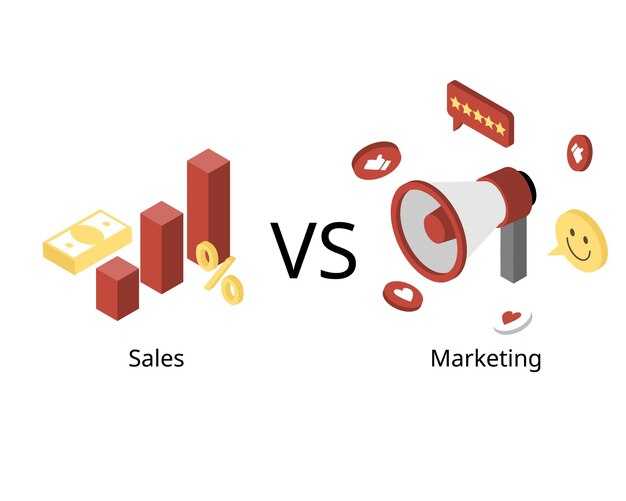
Empfehlung: Ordnen Sie den Kanalmix den Funnel-Phasen zu: Bilden Sie oben über Plattformen, die breite Zielgruppen erreichen, und aktivieren Sie dann Direktmarketing-Aktionen, die die Akquisition dort vorantreiben. Führen Sie beide Teile parallel aus, um die Ergebnisse schnell zu steigern, Verständnis zu gewinnen und einen klaren Entwicklungspfad festzulegen.
Top-of-Funnel-Kanäle bilden und bauen Identität durch Langformvideos, Erklärserien, Webinare und Influencer-Events auf Plattformen wie Video, Social Media und Suchmaschinen auf. Diese Touchpoints bereiten ihre Zielgruppen vor und helfen ihnen, Optionen zu navigieren und Signale während der Reise zu vergleichen.
Mid-Funnel konzentriert sich auf die Berücksichtigung: Testen Sie Creatives, die Vorteile vergleichen, Social Proof nutzen, Retargeting mit wertorientierten Nachrichten streamen und Signale für Reifung und Verständnis sammeln. Nutzen Sie Veranstaltungen (Webinare, Produkt-Touren), um Personen zu direkten Aktionen zu bewegen.
Bottom-of-Funnel-Kanäle treiben Akquisitionen voran: E-Mail-Drip-Kampagnen, retargeting-Angebote, Testversionen, Demos und zeitlich begrenzte Anreize. Diese Aktionen sollten mit Landing Pages kombiniert werden, die die Identität und das Wertversprechen klar kommunizieren, mit Tracking für Ereignisse und Konversionssegmente, um Daten in Echtzeit zu erfassen.
Legen Sie einen minimalen Testplan fest: auf zwei Plattformen, testen Sie zwei bis drei Creative-Formate, messen Sie die Traffic-Qualität, das Engagement und die abgeschlossenen Aktionen. Nutzen Sie ein kritisches Verständnis der Kanalstärke, um das Budget entlang der Reifegrade zuzuweisen und Änderungen schnell zu navigieren. Ein Vergleichsansatz hilft dem Team, in die gleiche Richtung zu gehen und Doppelarbeit zu reduzieren. Dies verankert alles in einem einzigen, testbaren Plan.
Teil der Entwicklung: behandeln Sie jeden Kanal als Agenten der Bildung oder Aktion; geben Sie klare Signale, verfolgen Sie Identität und Ereignisse und lernen Sie, die Konversion zu steigern, ohne die dortige Identität zu beeinträchtigen. Durch diesen Ansatz baut das Unternehmen einen kohärenten Funnel auf, der sich mit dem Wachstum weiterentwickelt, und ermöglicht es dem Team, sich auf die mächtigsten Hebel zu konzentrieren und den Traffic-Mix effizient zu optimieren.
Praktische Metriken wählen: CPA, ROAS, LTV und Lift-Indikatoren

Weisen Sie das Budget den Bereichen mit den stärksten ROAS-Signalen zu und legen Sie CPA-Ziele pro Funnel-Level fest, um Investitionen zu schützen. Dieser ausgewogene, vertriebsgesteuerte Ansatz reduziert das Risiko und beschleunigt zuverlässige Ergebnisse.
- CPA: Definieren und berechnen. Die Kosten pro Akquisition entsprechen den Gesamtausgaben geteilt durch die Konversionen. Verfolgen Sie nach Kohorten und nach Käufern innerhalb jedes Bereichs; legen Sie eine Obergrenze fest, die die Bedürfnisse und Margen widerspiegelt. Wenn der CPA den festgelegten Wert überschreitet, weisen Sie das Budget von leistungsschwachen Assets ab und schalten Sie sie nach einem kurzen Test ab. Der Analyst sollte wöchentlich überprüfen und anpassen.
- ROAS: Messen Sie die pro Ausgabeneinheit generierten Einnahmen, nach Kanal und nach Produktbereich. Zielniveau: Halten Sie den ROAS über dem Schwellenwert, der die Investition aufrechterhält. Während einige Kanäle ein Volumenwachstum zeigen, überprüfen Sie, ob die inkrementellen Einnahmen die Kosten decken; nutzen Sie dies, um eine Neuzuweisung für bessere Budgetanteile zu steuern.
- LTV: Führen Sie Kohortenanalysen durch, prognostizieren Sie den zukünftigen Wert von aktuellen Käufern und verknüpfen Sie LTV mit dem Investitionsplan. Berücksichtigen Sie Covid-bedingte Verschiebungen im Kaufverhalten; verschieben Sie das Budget hin zu Käufern mit höherem LTV. Das Festlegen von LTV-Zielen hilft, Überausgaben für kurzlebige Aktivitäten zu vermeiden und mit langfristigen Ergebnissen abzustimmen.
- Lift-Indikatoren: Führen Sie Holdout-Tests oder kontrollierte Experimente durch, um die inkrementelle Auswirkung zu messen. Verfolgen Sie den Uplift über den gesamten Funnel, nicht nur die Endkonversionen. Wenn der Uplift real und höher als erwartet ist, erhöhen Sie den Budgetanteil für diese Testgruppe; wenn nicht, beenden Sie das Experiment und passen Sie es an. Nutzen Sie erweiterte Daten zur Information über Festlegung und Planung.
Operative Anleitung: Bestellen Sie einen Analysten, der für Dashboards und wöchentliche Überprüfungen zuständig ist. Verwenden Sie einen ausgewogenen Ansatz: Ressourcen dort zuweisen, wo die Ergebnisse am stärksten sind, sicherstellen, dass jeder Dollar mit Käufern und Bedürfnissen verknüpft ist, und eine Regelausführung beibehalten. Beobachten Sie im August und darüber hinaus den Anstieg der Nachfrage und die sich ändernden Anteile in verschiedenen Bereichen; passen Sie sich schnell an die Realitäten der Covid-Ära und das sich entwickelnde Verbraucherverhalten an, während Sie ein gewisses Maß an Disziplin beibehalten, um Überinvestitionen in zufällige Signale zu vermeiden. Dieser Ansatz kann Ihnen helfen, gesteigerten Wert zu finden, während Sie Investitionen effektiv verwalten und eine stabile Investitionsentwicklung festlegen.
Budgetierung mit Leitplanken: Tests, Pilotprojekte und Skalierungsentscheidungen
Beginnen Sie mit drei Leitplanken: Kappen Sie Pilotprojekte bei 3 % der monatlichen Ausgaben, führen Sie 14-tägige Tests durch und skalieren Sie nur, wenn die Renditen einen klaren Schwellenwert überschreiten.
Für Initiativen in frühen und früheren Phasen halten Sie Experimente schlank: Testen Sie über 2 Kanäle, begrenzen Sie die Kosten auf 8.000 $ bis 12.000 $ pro Pilotprojekt, um Verschwendung zu vermeiden, und nehmen Sie 2-3 kreative Varianten, um Formate abzudecken. Es erfordert Disziplin, die Leitplanken einzuhalten.
Worauf zu achten ist: Zusätzliche Ausgaben sollten wichtige Kennzahlen steigern, die langfristigen Wert treiben, wie Kosten pro Akquisition, Steigerung der Kundenbindung und inkrementeller Umsatz; in wettbewerbsintensiven Kontexten, wenn die Differenz negativ bleibt, oops, den Stecker ziehen und die Hypothese neu bewerten.
Konvertieren Sie innerhalb eines engen Zeitfensters von 6-8 Wochen Lernergebnisse in eine Grundlage und wiederholbare Builds; dokumentieren Sie Inputs, Ziele und Entscheidungsregeln, damit Einheiten teamsübergreifend schnell und konsistent handeln können. Finden Sie heraus, was als Nächstes kommt, indem Sie den schnellsten Weg vom Test zur Skalierung abbilden.
Nachdem ein Pilotprojekt dauerhafte Ergebnisse liefert, beschleunigen Sie, indem Sie das Budget auf die besten Leistungsträger umverteilen und den Prozess in ein schnell zu implementierendes Playbook kodifizieren; halten Sie den Rat praxisnah und stellen Sie sicher, dass die Bedürfnisse mit dem übereinstimmen, was über die Kanäle hinweg funktioniert.
Es gibt Wert darin, eine einprägsame Kundenreise zu schaffen, die Bestand hat; ein bleibender Eindruck hilft, die Kosten im Laufe der Zeit zu senken und die Grundlage innerhalb der Organisation zu stärken, wobei die Bedürfnisse klar mit dem übereinstimmen, was über die Kanäle hinweg funktioniert.
Messung vereinheitlichen: Brand Lift mit Direktmarketing-Ergebnissen in einem Framework verbinden
Beginnen Sie mit der Festlegung eines einzigen Messrahmens innerhalb eines 90-Tage-Zeitraums, der den Anstieg der Bekanntheit mit Direktmarketing-Ergebnissen wie Klicks, Anmeldungen und Käufen verbindet, unter Verwendung eines gemeinsamen Attribution-Fensters und eines gemeinsamen Datenfeeds.
Drei Säulen verankern den Ansatz: strategische Ausrichtung, kanalspezifische Signale und eine bildungsgetriebene Kalibrierung, die das Modell nach jeder Periode aktualisiert; sie werden anhand realer Ergebnisse getestet.
Die Wahl der richtigen Signale ist wichtig; verlassen Sie sich auf Konversionsereignisse auf dem direkten Weg und auf einen Anstieg der Bekanntheit im oberen Teil des Funnels, und verknüpfen Sie sie dann mit einer gemeinsamen Anordnung von Mustern, um Konsistenz über Tests und Wettbewerber hinweg zu gewährleisten.
Verfolgen Sie die Leistung von Kopf an Kopf über alle Kanäle hinweg, um den Rahmen wertvoll zu halten: Vergleichen Sie Beiträge, Erfassungsraten und passen Sie den Mix in jedem Zyklus an, um den Echtzeitmarkt widerzuspiegeln.
Vereinheitlichen Sie die Datenansicht in einem einzigen Dashboard, ordnen Sie das Wachstum der Bekanntheit wichtigen Aktionen zu und legen Sie die richtigen Schwellenwerte fest; melden Sie Aktualisierungen in jedem Zeitfenster, um Teams auf dem Laufenden und informiert zu halten.
Bildungsteams können Einblicke gewinnen, indem sie Anfragen und Ergebnisse dokumentieren; wenn eine Anfrage eine höhere Steigerung signalisiert, gewichtet das Kernmodell die Inputs neu und liefert eine deutlich klarere Auswirkung über Segmente hinweg.
Investieren Sie in die Datenqualität, um Rauschen zu vermeiden; erkennen Sie Muster über drei Zyklen hinweg, um Stabilität über belebte Perioden hinaus zu gewährleisten, und iterieren Sie Einstellungen, um das Signal schnell zu stabilisieren.
Mit einem einzigen Framework erhält jeder Stakeholder einen Vorsprung bei der Priorisierung von Investitionen, da die Messung die Bekanntheit mit direkten Ergebnissen verknüpft und den gesamten Zyklus über freigeschalteten Wert liefert.